



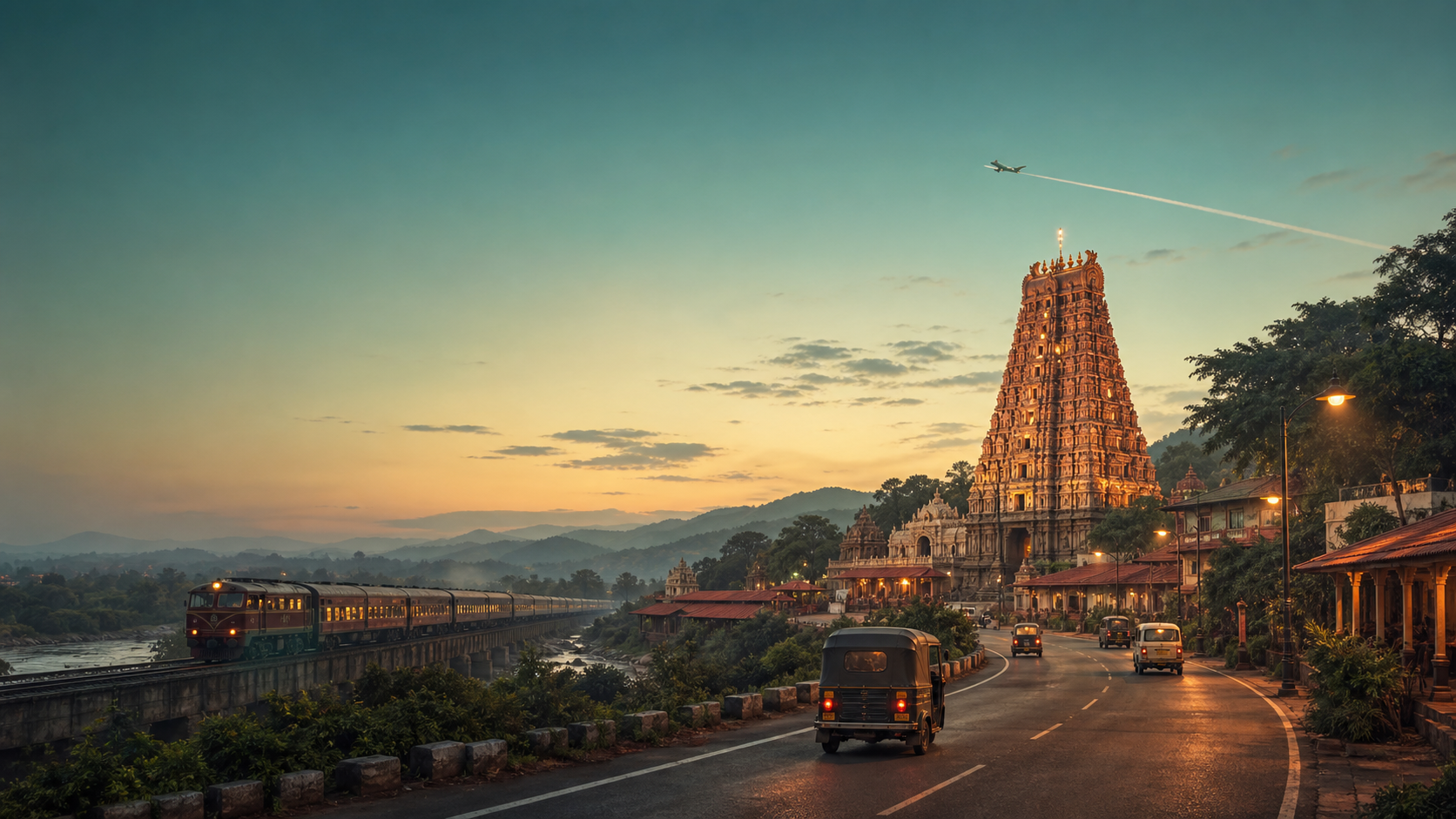
A complete pilgrim record drawn from the existing published article data.
Roots of Reverence: A Glimpse into Festival History
The sacred festivals of Arunachal Pradesh are deeply rooted in ancient traditions, reflecting centuries of cultural evolution and spiritual practices. Their historical evolution is often traced back to animistic beliefs and indigenous folk religions, predating the arrival of other major faiths. These celebrations have organically grown from community-centric rituals, originally designed to appease nature spirits, ensure bountiful harvests, and protect against maladies. Over time, as diverse cultural influences permeated the region, these festivals assimilated new elements while retaining their core traditional essence. The enduring strength of community bonds is evident in the collective effort and shared responsibility that underpin the organization and execution of these annual celebrations, preserving a living history.
Ancient Origins
Many festivals trace their lineage to pre-historic animistic practices, honoring nature and ancestral spirits for sustenance and protection.
Evolution of Rituals
Rituals have evolved, incorporating elements from various cultural interactions while maintaining their unique indigenous character.
Community Bonds
The festivals are a testament to the strong community bonds, with collective participation being central to their historical continuity and vibrancy.
Sacred Spaces: Architecture of Arunachal Pradesh Temples
The temples and sacred spaces in Arunachal Pradesh, often simpler in design than those found in other parts of India, possess a unique architectural charm and spiritual significance. These structures, whether traditional prayer halls or indigenous Donyi-Polo _Meders_ (temples), are typically built using local materials such as wood, bamboo, and stone, blending harmoniously with the natural landscape. Their designs prioritize functionality for communal gatherings and rituals. These sacred spaces serve as vital focal points for festival celebrations, providing a designated area for worship, community assembly, and the performance of traditional rites and dances. Their architectural simplicity often belies their profound cultural and spiritual importance.
Distinctive Styles
Temple architecture often utilizes local materials like wood and bamboo, reflecting indigenous building techniques and environmental harmony.
Festival Hubs
These structures serve as central gathering places for communities during festivals, facilitating communal worship and cultural performances.
Symbolic Design
Despite their often modest appearance, the design elements hold deep cultural and spiritual symbolism for the local populace.
Experiencing the Sacred Festivals of Arunachal Pradesh
Arunachal Pradesh, a land of vibrant spiritual traditions, hosts numerous temple festivals that offer profound insights into its rich cultural and religious heritage. These celebrations are not merely religious observances but serve as dynamic windows into the indigenous beliefs, artistic expressions, and communal harmony of the region. Deeply intertwined with the life cycle of its communities, these festivals mark significant seasonal changes, successful harvests, and pivotal mythological events. Attending these sacred gatherings provides a unique opportunity to witness ancient rituals, traditional music, and mesmerizing dance forms, all reflecting the deep reverence the people hold for their deities and ancestral spirits. Each festival acts as a living bridge to the past, ensuring the preservation of a unique heritage for future generations.
Cultural Tapestry Unveiled
The festivals are a kaleidoscope of ethnic diversity, showcasing the distinct customs, vibrant costumes, and artistic expressions of various tribes.
Spiritual Significance
Beyond entertainment, these events serve as powerful spiritual conduits, fostering communal bonding and seeking divine blessings for prosperity and well-being.
Community Engagement
Festivals are truly communal affairs, where every member participates, reinforcing social structures and shared identity across generations.
When and How to Visit: A Guide to Arunachal Pradesh Festivals
To experience the sacred festivals of Arunachal Pradesh, planning is essential. The best time to visit is generally from October to March, coinciding with many major festivals and pleasant weather. Key festival dates vary annually based on lunar calendars, so checking specific schedules for festivals like Losar, Solung, or Boori Boot is crucial. Travel logistics involve reaching Itanagar or Naharlagun via flight to Donyi Polo Airport (Hollongi) or train to Naharlagun Railway Station, followed by bus or car to various festival locations. Ensure you obtain an Inner Line Permit (ILP) for Indian citizens or a Protected Area Permit (PAP) for foreign nationals, which are mandatory for entering Arunachal Pradesh. Cultural etiquette dictates respectful attire, removing footwear before entering sacred spaces, and seeking permission before photographing individuals. Engaging respectfully ensures an enriching and memorable experience.
Planning Your Trip
Visit between October and March for optimal weather and numerous festivals. Confirm specific festival dates well in advance as they are based on lunar cycles.
Travel Essentials
Secure an Inner Line Permit (ILP) or Protected Area Permit (PAP) prior to travel. Utilize flights to Donyi Polo Airport or trains to Naharlagun, then local transport.
Respectful Participation
Observe local customs, dress modestly, remove footwear in sacred areas, and always ask for permission before taking photographs of people.
| Deity | Multiple Deities |
|---|---|
| Form | Various forms depending on the specific deity worshipped. |
| Consort | Not applicable, as it refers to multiple deities. |
| Sampradaya | Various traditions, including Hinduism and local indigenous beliefs. |
| Significance | Temples across Arunachal Pradesh are significant as centers of devotion, cultural heritage, and community gathering, reflecting diverse spiritual traditions and indigenous beliefs. |
The Unwritten Legends of Arunachal's Temples
Many temples across Arunachal Pradesh hold ancient stories within their walls, passed down through generations. While specific legends for all temples are not universally documented, each shrine is a testament to the deep spiritual connection of the local communities. These sacred spaces are vibrant centers where folklore, devotion, and indigenous beliefs intertwine, creating a rich tapestry of cultural heritage that continues to inspire pilgrims and visitors alike.
In the heart of Arunachal, where mountains touch the sky, devotion blossoms in every sacred shrine, echoing ancient prayers and vibrant traditions.
The festivals are not just events; they are the soul of the community, weaving together faith, culture, and joyous celebration for all.
Related temples: ASI Protected Temples: India's Archaeological Treasures | Bahrot Caves
Divine Patrons: Deities and Myths Behind the Celebrations
Arunachal Pradesh's temple festivals are dedicated to a diverse pantheon of deities and spirits, each with captivating myths and spiritual stories that imbue meaning into every ritual and procession. While specific deities vary across tribes and regions, common themes include reverence for nature gods, ancestral spirits, and benevolent protectors. The Donyi-Polo faith, for instance, venerates the Sun (Donyi) and the Moon (Polo) as supreme beings, representing wisdom and truth. Other festivals honor deities associated with agriculture, fertility, and protection from evil. These mythological narratives are often reenacted through dances, chants, and elaborate ceremonies, serving as moral compasses and reinforcing the cultural identity of the communities. Understanding these divine patrons is key to appreciating the depth of the celebrations.
Honoring the Pantheon
Festivals pay homage to a wide array of deities, including nature gods, ancestral spirits, and figures central to tribal mythologies.
Mythological Narratives
Each celebration is underpinned by ancient myths and legends, often recounting creation stories or heroic deeds of divine beings.
Symbolism in Rituals
Rituals and processions are rich in symbolism, visually representing the spiritual stories and beliefs central to the community's faith.
Local Cuisine and Accommodation for Festival-goers
Experiencing the local cuisine is an integral part of immersing oneself in the cultural tapestry of Arunachal Pradesh's temple festivals. Visitors will discover a rich culinary tradition characterized by fresh, organic ingredients sourced directly from the pristine hills and valleys. Staples often include rice, millet, and various leafy greens, complemented by lean meats like pork, chicken, and fish, often prepared through steaming, boiling, or smoking rather than heavy frying. Dishes like 'Apong' (local rice beer), 'Thukpa' (noodle soup), and 'Momos' (dumplings) are widely available, but deeper exploration will reveal unique tribal preparations such as 'Pika Pila' (a bamboo shoot pickle) or 'Lukter' (dried meat with chili). Festival times often bring special celebratory foods, offering a rare chance to taste authentic, community-prepared meals that reflect the region's diverse ethnic groups and their ancient traditions.
When planning your visit to Arunachal Pradesh's temple festivals, securing accommodation well in advance is crucial, especially given the remote nature of many locations and the surge in visitors during peak festival periods. Options range from modest guesthouses and government-run tourist lodges in larger towns like Itanagar or Tawang, to more immersive homestays in smaller villages closer to the festival sites. Homestays offer an unparalleled opportunity to live with local families, partake in their daily routines, and gain intimate insights into their culture and traditions, often including shared meals. While luxury hotels are scarce, the warmth and hospitality of the local people more than compensate, providing a comfortable and authentic experience. Always inquire about facilities like electricity and running water, as these can be intermittent in more rural areas, and be prepared for a rustic yet rewarding stay.
🗺 How to Reach
Hover a card to animate the journey on the map
Route to Temple
Related Temples

A Living Covenant