A complete pilgrim record drawn from the existing published article data.
A Glimpse into Tripura's Temple History
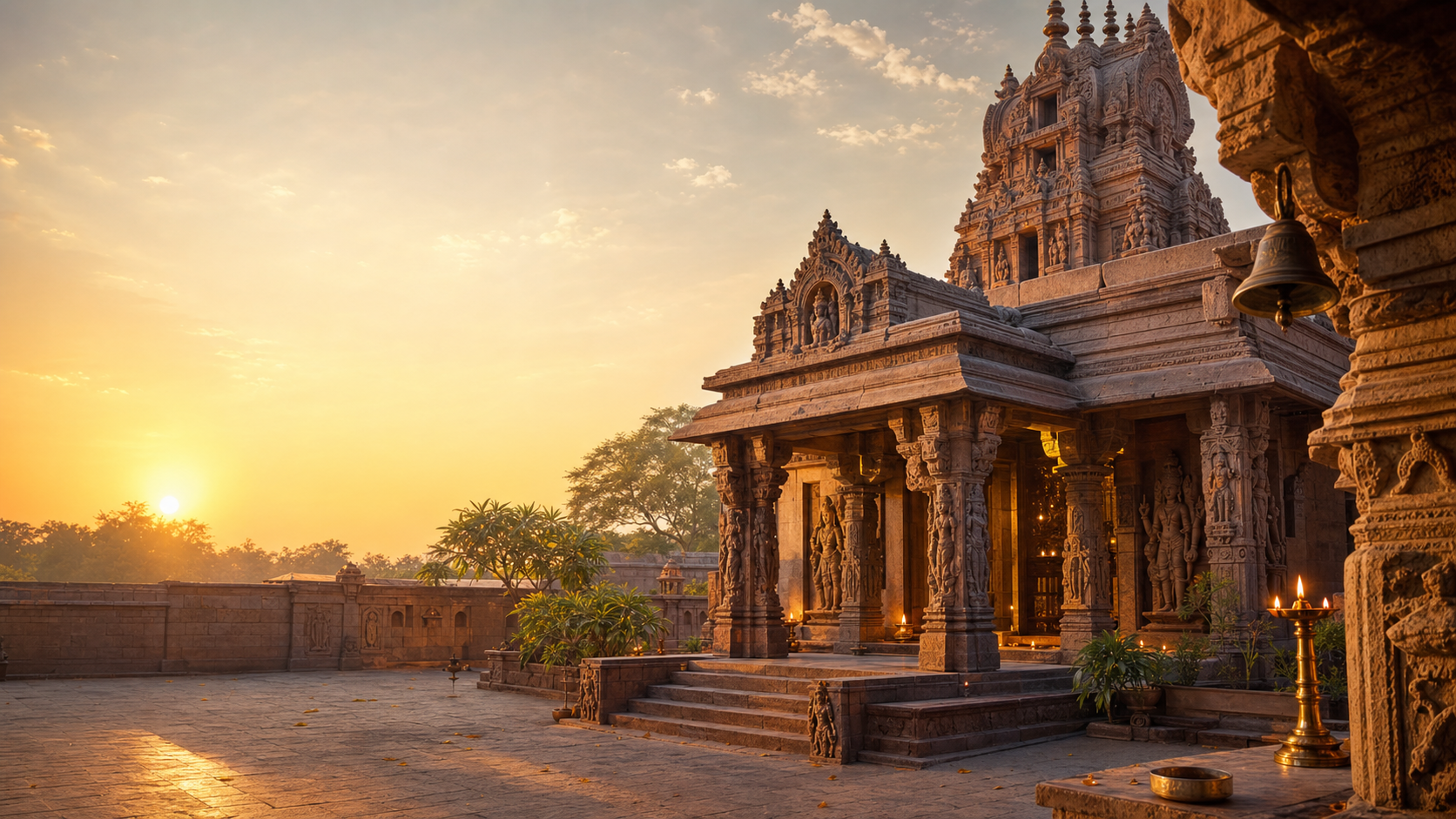
The history of Tripura's temples is deeply intertwined with the Manikya dynasty, who ruled the region for centuries. Their royal patronage was instrumental in the construction and maintenance of numerous sacred structures, many of which stand today as testaments to their devotion and architectural vision. These rulers often commissioned temples to venerate various deities, reflecting a blend of indigenous beliefs and mainstream Hindu traditions. While some grand temples received continuous attention, many smaller, yet historically significant, shrines were also established, often in remote areas. These off-the-beaten-path sites reveal the evolution of religious practices and artistic styles under different monarchs, offering a rich historical narrative.
Royal Patronage
The Manikya dynasty played a crucial role in funding and developing many temples across the state.
Dynastic Influence
Temples often reflect the specific religious inclinations and architectural trends of the ruling monarch.
Ancient Foundations
Many sites have roots dating back centuries, showcasing continuous worship and renovation.
Unique Designs of Tripura's Sacred Structures
The lesser-known temples of Tripura often exhibit unique architectural styles, blending regional influences with broader Hindu temple architecture. Many are constructed using locally sourced materials such as brick, laterite, and sometimes wood, adapting to the region's climate and available resources. Distinctive features might include chala-style roofs, reminiscent of Bengali architecture, or simple, unadorned facades that belie their spiritual significance. Intricate terracotta ornamentation, though less common in some off-the-beaten-path sites, can still be found, depicting mythological scenes and floral motifs. These designs reflect a practical yet aesthetically rich approach to sacred building.
Regional Styles
Architecture often incorporates elements from local traditions and neighboring regions.
Material Use
Temples commonly utilize local brick, laterite, and sometimes timber for construction.
Terracotta Art
Some structures feature delicate terracotta panels depicting religious narratives and decorative patterns.
The Divine Presence: Tripura Sundari and Local Lore
Tripura Sundari, revered as one of the Mahavidyas, holds paramount spiritual significance in Tripura, her presence central to many temples, including the famous Tripureswari Temple. Beyond this prominent shrine, numerous smaller, off-the-beaten-path temples also house her form or other manifestations of the Divine Mother. Local lore often attributes miraculous powers and wish-fulfillment to these deities. Each temple, regardless of its size or fame, is imbued with unique myths and legends passed down through generations, connecting the deity to specific historical events, natural phenomena, or local heroes. These narratives enrich the spiritual experience, deepening the devotee's connection to the sacred.
Mahavidya Worship
Tripura Sundari is a primary deity, with her worship deeply embedded in the state's spiritual fabric.
Local Narratives
Each temple often possesses unique myths and legends, linking deities to local history and nature.
Sacred Significance
These sites are considered powerful centers for spiritual practice and blessings.
Discovering Tripura's Hidden Spiritual Gems
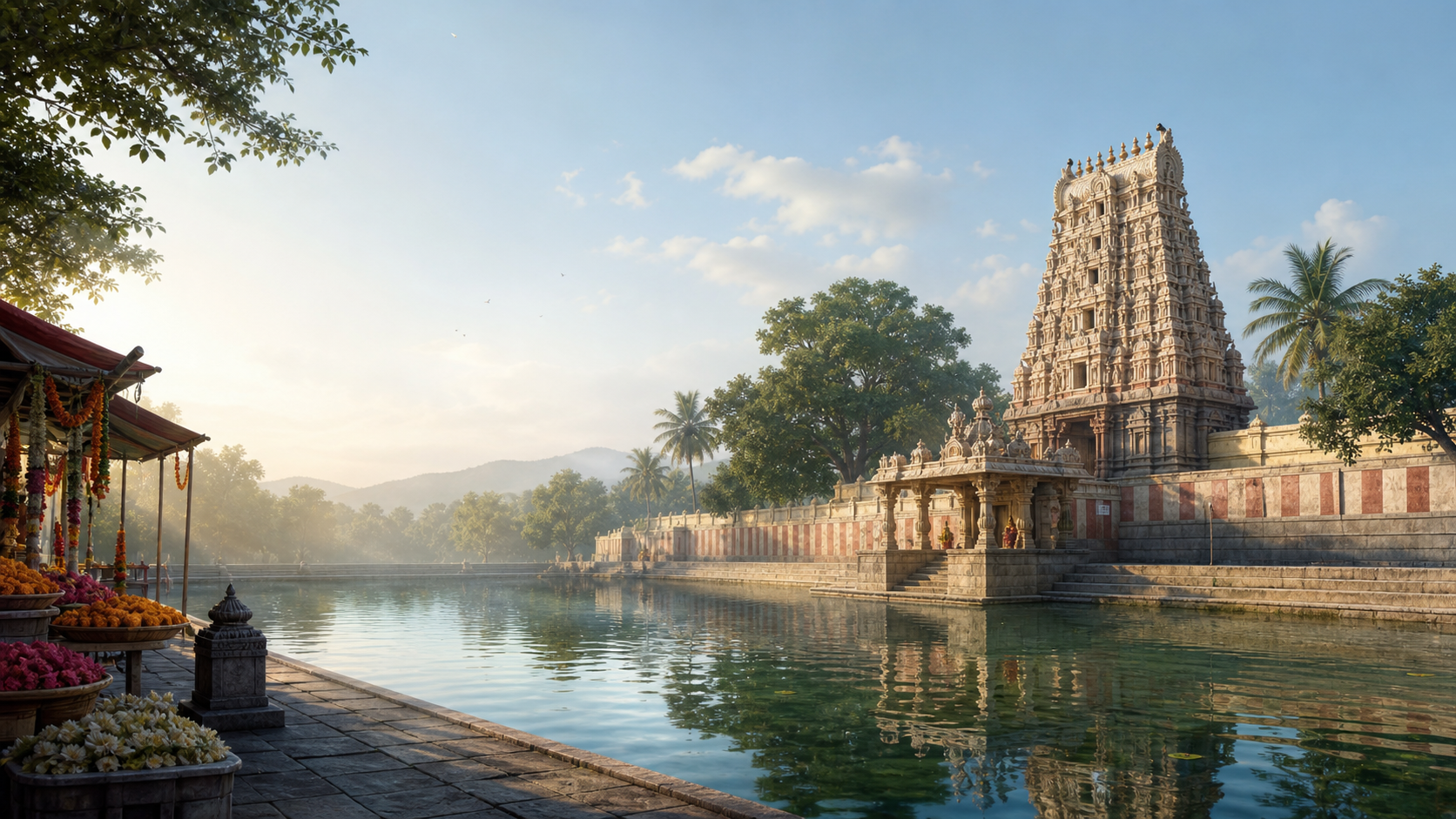
Tripura, a northeastern Indian state, is a treasure trove of ancient spiritual sites, many of which remain off the well-trodden tourist paths. These lesser-known temples offer a unique glimpse into the region's rich cultural and religious heritage, distinct from more famous pilgrimage destinations. Often nestled amidst lush greenery or serene landscapes, they provide a tranquil atmosphere for devotees and explorers alike. Visiting these hidden gems allows for a deeper connection with Tripura's spiritual essence and its vibrant past, revealing stories etched in stone and tradition. Their secluded nature enhances their mystique, inviting a more intimate discovery.
Untouched Devotion
Many of these temples preserve ancient rituals and practices, largely untouched by modern influences.
Beyond the Mainstream
They offer a peaceful alternative to crowded sites, fostering a deeper personal experience.
Cultural Immersion
Exploring these sites provides insight into local traditions and community life.
Planning Your Journey to Tripura's Serene Temples
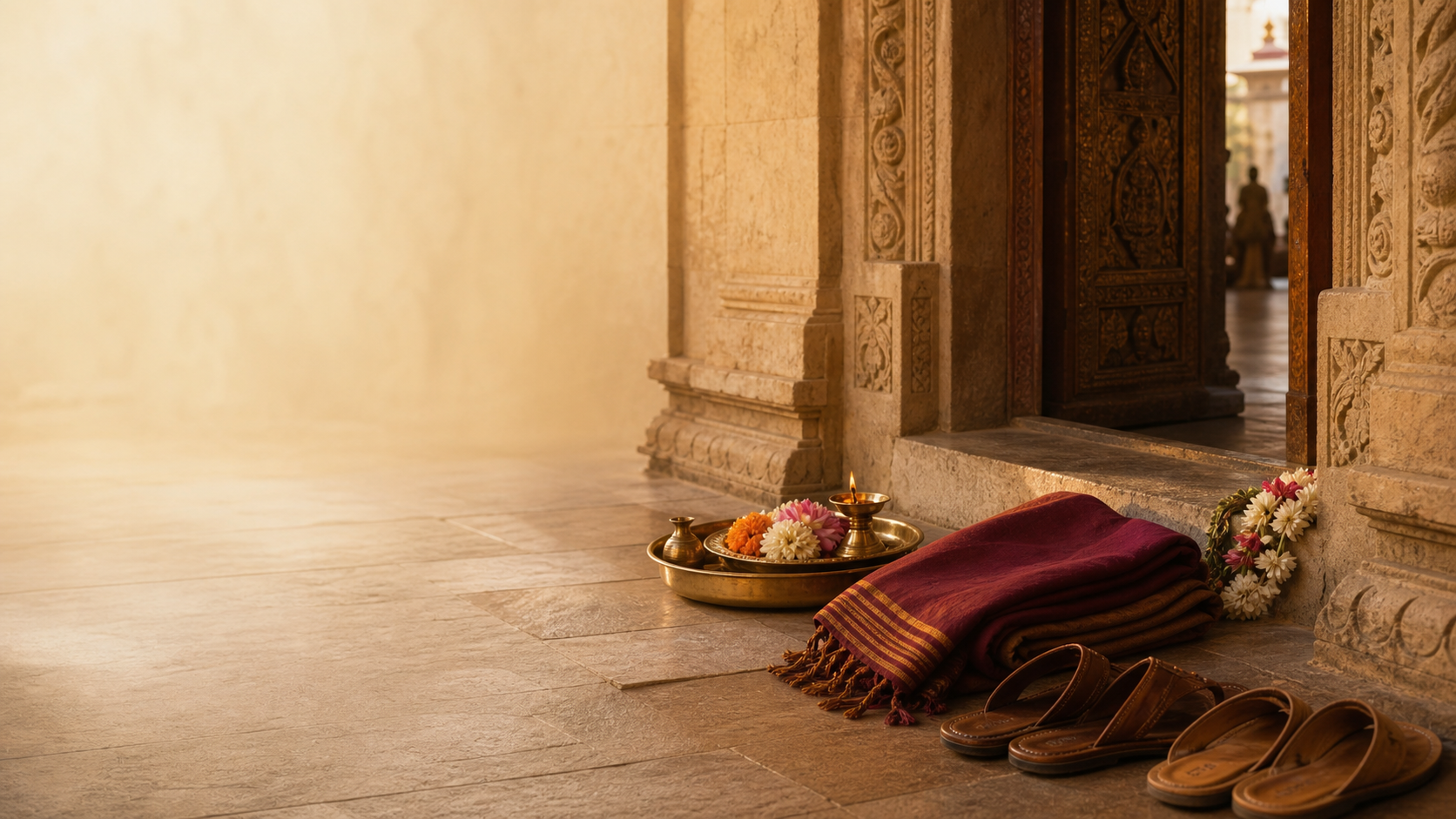
Visiting Tripura's off-the-beaten-path temples requires some planning to ensure a smooth and respectful experience. The best time to visit is from October to March when the weather is pleasant. Modest clothing, covering shoulders and knees, is essential, and footwear must be removed before entering temple precincts. While many sites have free entry, small donations for maintenance are appreciated. Local transport, such as auto-rickshaws or hired cars, can reach most locations, though some may require a short walk. Always seek permission before photographing devotees and respect local customs. Embrace the tranquility and spiritual ambiance these hidden gems offer.
Best Travel Season
The period from October to March offers ideal weather conditions for exploration.
Dress Code and Etiquette
Wear modest attire, remove shoes, and be respectful of local customs and worshippers.
Transportation Tips
Utilize local auto-rickshaws or hire private vehicles to access more remote temple sites.
| Deity | Tripura Sundari |
|---|---|
| Form | Not described in the provided data. |
| Consort | Unknown |
| Sampradaya | Not specified in detail. |
| Significance | As the presiding deity, Tripura Sundari is central to the temple's spiritual focus. Her specific significance at this temple is not detailed in the available information. |
The Unrevealed Legend of Tripura Sundari Temple
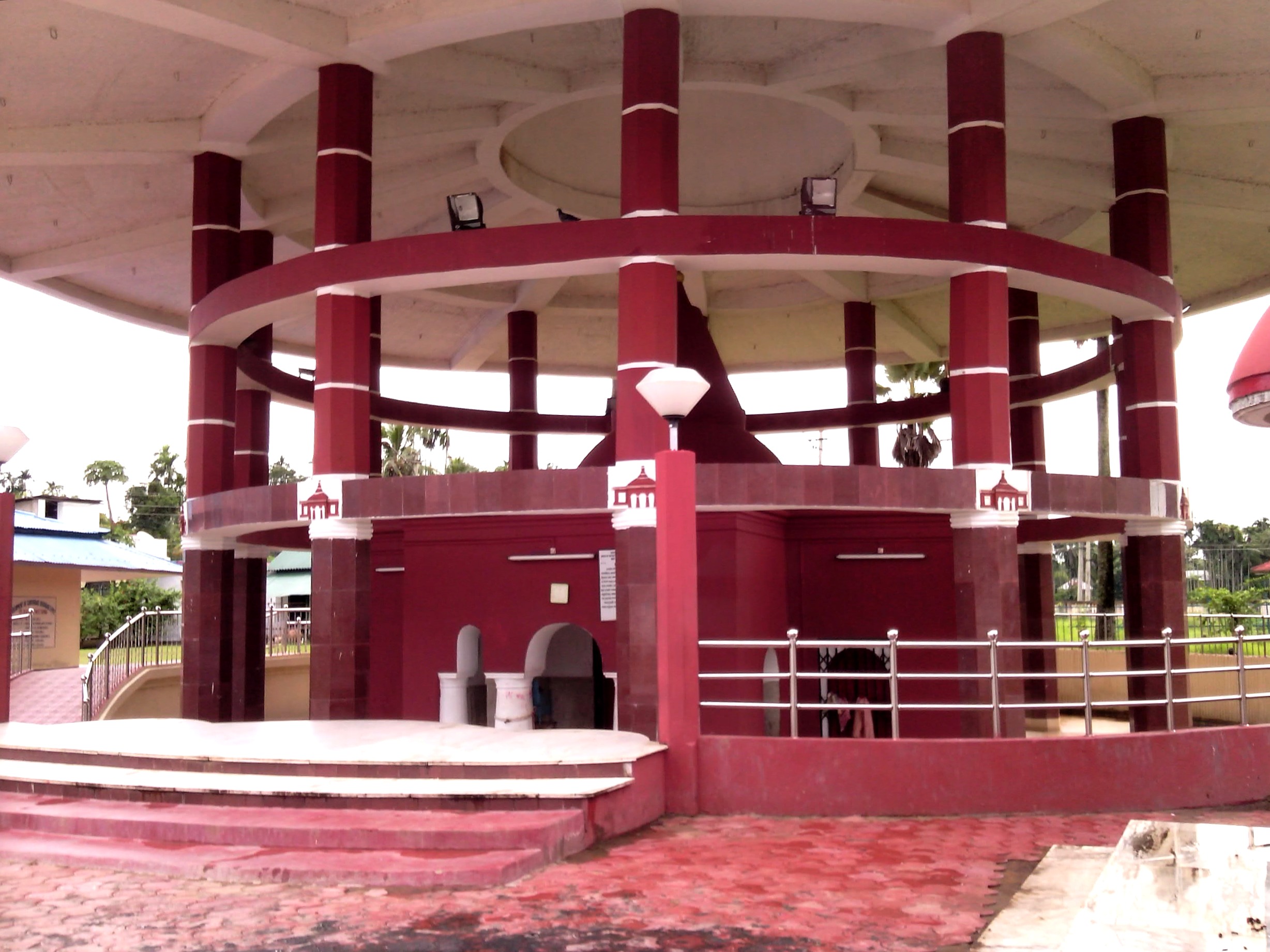
No specific mythological story or legend associated with this particular temple has been provided in the available data. The temple is dedicated to Tripura Sundari, a revered deity, and visitors come to offer their prayers and seek blessings from the goddess. The spiritual atmosphere and devotion remain the primary draw for pilgrims and tourists alike.
In the heart of Tripura, the divine presence of Tripura Sundari offers solace and spiritual grace to all who seek her blessings.
Experience the tranquility and devotion at this sacred abode, a testament to enduring faith in the goddess Tripura Sundari.
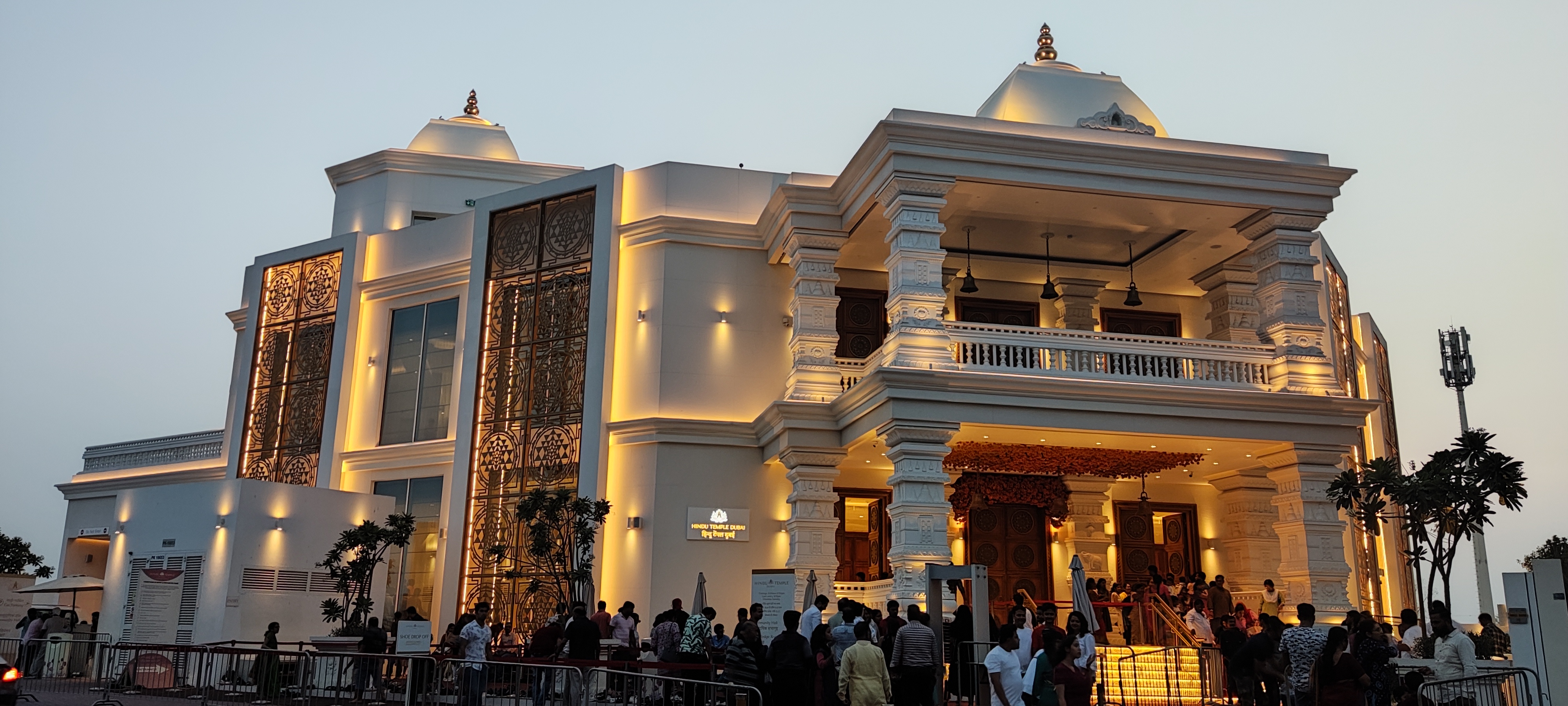
Related temples: Chandranath Temple | Hindu Temple, Dubai
Restoration & Conservation Efforts
The restoration of Tripura's off-the-beaten-path temples presents a unique set of challenges, primarily due to their remote locations and the delicate nature of their construction materials, often comprising ancient brick and terracotta. Agencies like the Archaeological Survey of India (ASI) and the State Archaeology Department have undertaken crucial initiatives to combat the ravages of time, weather, and encroaching vegetation. These efforts involve meticulous structural stabilization, chemical cleaning to remove biological growth, and careful reconstruction of damaged elements, ensuring that the original architectural integrity and aesthetic character are preserved. The humid climate and heavy monsoons in Tripura accelerate decay, making continuous monitoring and preventative maintenance indispensable for these invaluable historical sites. Local artisans, often possessing traditional knowledge, are sometimes engaged to ensure authenticity in repairs. Beyond immediate restoration, long-term conservation strategies are paramount to safeguarding these ancient religious sites for future generations. This involves comprehensive documentation, including detailed surveys and photographic records, to create a baseline for future interventions and to understand the evolution of the structures. Community engagement plays a vital role, transforming local populations into active custodians of their heritage through awareness programs and employment opportunities related to site maintenance. Sustainable tourism models are also being explored, aiming to generate revenue for conservation without compromising the fragile ecosystems or the sanctity of the temples. These holistic approaches are crucial to ensure that the rich spiritual and architectural legacy of Tripura's lesser-known temples continues to inspire and educate.🗺 How to Reach
Hover a card to animate the journey on the map
Route to Temple
Related Temples

A Living Covenant