



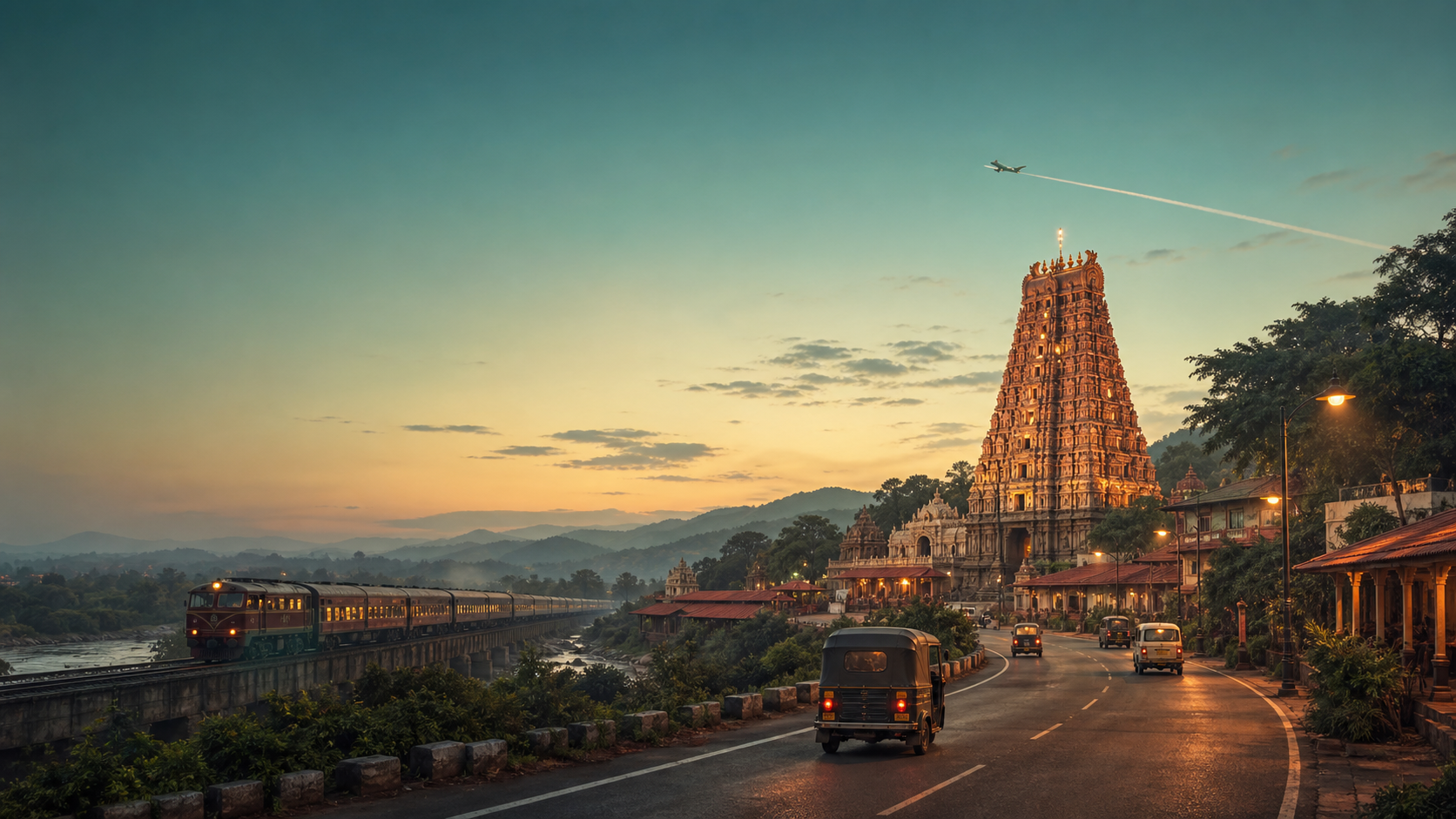
A complete pilgrim record drawn from the existing published article data.
A Journey Through Time: The History of Passingdong's Sacred Sites
The temples of Passingdong are steeped in history, reflecting centuries of spiritual devotion and cultural evolution in Sikkim. While specific construction dates for many remain unrecorded, oral traditions and local legends suggest their origins intertwine with the early settlement of the region. They often began as humble shrines, gradually expanding through community effort and patronage from local chieftains or influential monastic orders. These sites have witnessed the ebb and flow of various cultural influences, from indigenous animistic practices to the widespread adoption of Buddhism, shaping their current form and significance, making them custodians of Sikkim's diverse heritage.
Early Foundations
Many temples in Passingdong are believed to have originated as ancient sacred spots, predating formal temple structures, often marked by significant trees or natural formations revered by local communities.
Patronage and Development
Over centuries, local rulers, monastic institutions, and devout villagers contributed to the construction and expansion of these temples, ensuring their preservation and growth as centers of worship.
Cultural Synthesis
The historical development of Passingdong's sacred sites showcases a unique synthesis of indigenous spiritual beliefs with later Buddhist traditions, creating a distinct religious landscape.
Beyond the Mainstream: Unique Architecture of Passingdong Temples
The temples in Passingdong exhibit a distinctive architectural character that sets them apart from larger, more prominent religious structures. Their design often incorporates traditional Sikkimese and Himalayan architectural elements, utilizing locally sourced materials such as wood, stone, and mud. Skilled local artisans employed traditional craftsmanship, evident in intricate carvings, vibrant murals, and unique roof designs that blend functionality with spiritual aesthetics. This approach results in structures that are not only visually appealing but also deeply integrated with their natural surroundings, fostering a serene and sacred atmosphere unique to this region.
Indigenous Design Principles
The architecture frequently reflects traditional Sikkimese design, characterized by multi-tiered roofs, prayer wheels, and intricate woodwork, often influenced by Tibetan Buddhist styles.
Materials and Craftsmanship
Local resources like timber and stone are predominantly used, showcasing the enduring skills of regional artisans in creating durable and aesthetically rich temple structures.
Aesthetic and Spiritual Integration
The architectural choices are not merely functional; they are designed to enhance the spiritual experience, with layouts and ornamentation contributing to a meditative and reverent ambiance.
Guardians of the Mountains: Deities and Mythology of Passingdong
The temples of Passingdong are home to a diverse pantheon of deities, reflecting the syncretic spiritual landscape of Sikkim. Multiple deities, ranging from Buddhist bodhisattvas and protective dharma guardians to local mountain spirits and nature deities, are revered here. Each deity is associated with rich mythological narratives and local legends, often recounting their benevolent acts, battles against evil, or their role in shaping the landscape. These stories are not confined to ancient texts; they are actively woven into the daily lives, rituals, and oral traditions of the community, serving as moral compasses and reinforcing the spiritual connection between the people and their sacred land.
Pantheon of Revered Deities
Passingdong's temples venerate a variety of deities, including Buddhist figures like Padmasambhava, local protective deities, and ancient nature spirits, reflecting a blend of faiths.
Local Legends and Folklore
Each temple is often connected to unique local legends and mythological tales, passed down through generations, detailing the origins and powers of the resident deities.
Integration into Community Life
The spiritual narratives and deities are central to the community's identity, influencing daily practices, festivals, and the overall cultural fabric of Passingdong.
Unveiling Sikkim's Hidden Spiritual Gems in Passingdong
Sikkim, a land of mystical beauty, harbors numerous spiritual sites often overlooked by conventional tourism. In the serene village of Passingdong, nestled amidst verdant hills, lie several such hidden temples. These sacred spaces offer a profound spiritual experience, distinct from the more frequented pilgrimage routes. Their allure lies in their untouched authenticity and the tranquil ambiance that envelops them, providing a unique glimpse into Sikkim's deep-rooted spiritual traditions. Visitors discover not just ancient structures, but vibrant centers of faith, away from the bustling crowds, inviting introspection and peace.
The Allure of Seclusion
Passingdong's temples are prized for their remote locations, offering a quiet retreat for spiritual seekers. This seclusion enhances the meditative atmosphere, allowing for a deeper connection with the sacred.
Spiritual Significance
Each temple in Passingdong carries unique spiritual narratives and is dedicated to various deities, reflecting a blend of indigenous beliefs and established traditions. They serve as vital spiritual anchors for the local community.
Tranquil Ambiance
The natural surroundings of Passingdong, with its lush landscapes and crisp mountain air, contribute significantly to the temples' peaceful environment, making visits a truly calming experience.
An Explorer's Guide to Visiting Passingdong's Sacred Sanctuaries
Visiting Passingdong's off-the-beaten-path temples offers a truly immersive spiritual and cultural experience. Accessibility typically involves a combination of bus or shared taxi to Mangan, followed by a private taxi or local transport to Passingdong. While entry is free, visitors are encouraged to maintain respectful decorum. Modest clothing is essential, and footwear should be removed before entering the inner sanctums. The best time to visit is from October to May, avoiding the monsoon season and extreme winter cold. A typical visit might last around an hour per temple, allowing ample time for quiet contemplation and appreciation of the serene environment.
Navigating to Passingdong
Reaching Passingdong involves travel to Mangan, the nearest major town, from where local transport or hired vehicles can complete the journey to the village.
Etiquette and Respect
Visitors should observe local customs, including dressing modestly, removing shoes before entering, and maintaining a quiet, reverent demeanor within the temple premises.
Optimal Visiting Periods
The months between October and May offer the most favorable weather conditions for visiting, with clear skies and pleasant temperatures, making for a comfortable exploration.
| Deity | Multiple |
|---|---|
| Form | Unknown |
| Consort | Unknown |
| Sampradaya | Unknown |
| Significance | Unknown |
The Whispers of the Mountains
While no single grand narrative defines these secluded temples, their collective story lies in the quiet devotion of generations. Each off-the-beaten-path shrine in Sikkim holds countless unwritten tales of local villagers seeking solace, offering prayers, and connecting with the divine amidst the pristine Himalayan landscape. These temples are living testaments to the enduring faith that permeates the mountains, where ancient spirits and deities are believed to reside, guarding the land and its people. Their significance is woven into the fabric of daily life, passed down through oral traditions rather than documented legends.
Discover the hidden gems of Sikkim's spiritual heritage, where faith echoes through the tranquil mountains.
In these secluded shrines, the path less traveled leads to profound peace and a deeper connection with the divine.
Related temples: ASI Protected Temples: India's Archaeological Treasures | Bahrot Caves
Restoration & Conservation Efforts
The remote location and often ancient origins of Sikkim's off-the-beaten-path temples present significant challenges for their restoration and ongoing conservation. Geographic isolation makes the transportation of modern building materials and skilled artisans difficult and costly, often requiring reliance on local resources and traditional techniques. Furthermore, the harsh Himalayan climate, characterized by heavy monsoon rains, seismic activity, and extreme temperature fluctuations, takes a toll on these delicate structures, many of which are constructed from wood, mud, and stone. Limited funding, compared to more prominent pilgrimage sites, often means that comprehensive restoration projects are slow to materialize, leaving many temples vulnerable to decay and structural damage. These factors necessitate a careful, community-driven approach to their preservation. Despite these hurdles, dedicated efforts by local monastic communities, village elders, and sometimes cultural heritage organizations are crucial in safeguarding these invaluable sites. Conservation initiatives often focus on reinforcing existing structures, repairing roofs, restoring faded murals, and preserving ancient scriptures and artifacts using traditional methods that respect the original craftsmanship. These temples are not merely historical relics; they are living centers of spiritual practice and cultural identity for the local populace. Their preservation ensures the continuity of unique Sikkimese Buddhist traditions, architectural styles, and artistic expressions, offering a tangible link to the region's rich past and providing future generations with sacred spaces for worship and cultural learning.🗺 How to Reach
Hover a card to animate the journey on the map
Route to Temple
Related Temples




A Living Covenant