A complete pilgrim record drawn from the existing published article data.
The Nanakramguda Ranganatha Temple, a 400-year-old Vaishnava shrine, stands as a testament to Hyderabad's rich spiritual heritage. Located in Nanakramguda, it offers a serene escape amidst the city's bustling IT corridor.

History & Foundation
Ancient Origins
The Nanakramguda Ranganatha Temple dates back to the 17th century CE, making it approximately 400 years old. It predates the modern development of Hyderabad's IT sector. Historically, this temple served as the spiritual and cultural heart of the erstwhile agrarian Nanakramguda village.
Its foundation reflects a period when spiritual centers were integral to community life. The temple's enduring presence speaks to its deep roots within the region's history.

Modern Significance
Today, the temple stands as a remarkable symbol of historical continuity amidst rapid urbanization. It is nestled within Hyderabad’s bustling Financial District and IT corridor. This juxtaposition highlights its unique role, connecting the past with the present.
The temple's resilience against the backdrop of modern development underscores its importance to local heritage. It remains a sacred space for devotees, bridging centuries of devotion.
400+ Years: The temple's age, a testament to its enduring legacy.
The Nanakramguda Temple offers a glimpse into Telangana's past, contrasting sharply with its high-tech surroundings.
Architecture & Deity
South Indian Architectural Style
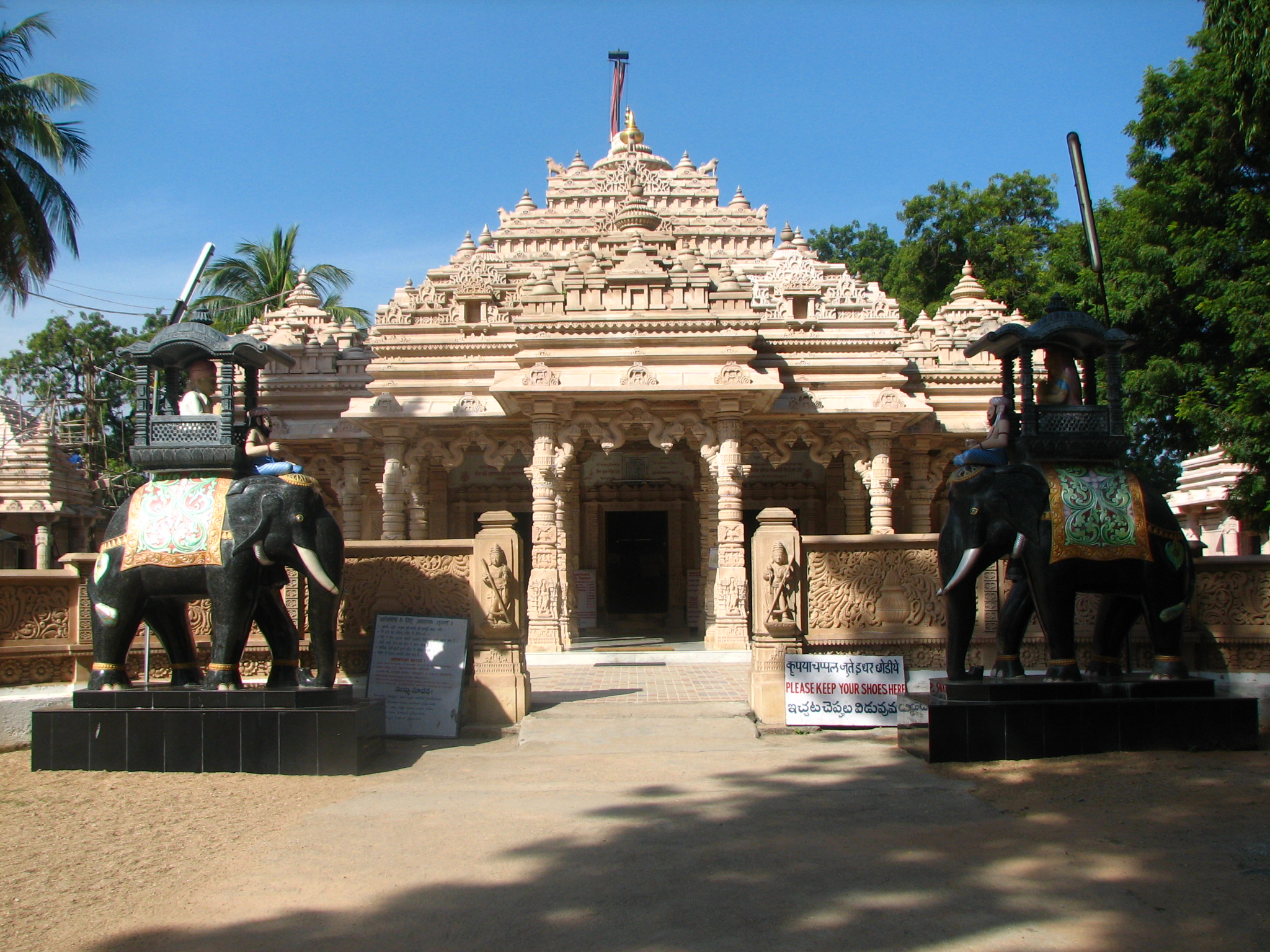
The Nanakramguda Ranganatha Temple showcases a distinctive South Indian architectural style. This traditional design often features intricate carvings and a layout conducive to devotional practices.
The temple's structure reflects established regional temple-building traditions. Its design elements contribute to the sacred atmosphere experienced by visitors.

Lord Ranganatha: The Reclining Vishnu
The principal deity enshrined here is Lord Ranganatha, a form of Vishnu. The idol depicts Vishnu in his iconic reclining posture on the cosmic serpent Adishesha. This form symbolizes cosmic sleep and creation.
As a Vaishnava temple, it adheres to worship traditions centered around Vishnu. Its classification as a Divya Desam signifies its profound spiritual importance within the Vaishnava tradition, marking it as one of the 108 most sacred Vishnu temples.
Divya Desam
A Divya Desam refers to one of the 108 Vishnu temples revered in the Divya Prabandha, the early medieval Tamil canon of the Azhwar saints. These temples are considered exceptionally holy.

"The reclining Ranganatha offers a vision of divine repose and cosmic order."
Festivals & Traditions
Vaishnava Practices
As a Vaishnava temple, the Nanakramguda Ranganatha Temple follows the devotional practices dedicated to Lord Vishnu. Daily rituals, prayers, and offerings are central to its spiritual life. Devotees participate in traditional ceremonies honoring Lord Ranganatha.
The temple upholds the rich traditions of the Vaishnava sampradaya, fostering a deep sense of devotion and community among its followers. These practices ensure the continuous spiritual vibrancy of the shrine.

Annual Observances
While specific major festivals are not detailed in the provided information, it is customary for Vaishnava temples to observe significant Hindu festivals. These would likely include Vaikuntha Ekadashi, Rama Navami, and Janmashtami, celebrated with special pujas and spiritual gatherings.
These occasions draw devotees seeking blessings and spiritual solace. The temple acts as a focal point for religious observance in the local community, maintaining ancient customs.

Visiting the Temple
Planning Your Visit
The Nanakramguda Ranganatha Temple is easily accessible within Hyderabad. It is approximately 35 km from Rajiv Gandhi International Airport and about 10 km from Uppal Railway Station. The best time to visit is during the cooler months, from October to March.
A visit duration of 1–2 hours is suggested to fully appreciate the temple's serene atmosphere and architectural details. It offers a peaceful respite from city life.
Pro Tip: Combine your visit with other nearby spiritual sites for a comprehensive cultural experience in Telangana.

Nearby Attractions
The temple is part of a vibrant spiritual circuit in the region. Visitors can explore other significant temples nearby, such as the Chilkoor Balaji Temple, Keesaragutta Temple, and Sanghi Temple. These offer diverse architectural styles and devotional experiences.
Exploring these sites provides a broader understanding of Telangana's rich religious landscape. Plan your itinerary to include these cultural gems.
Sacred Stories
Sthala Purana and Ancient Role
While a specific origin legend (Sthala Purana) for the Nanakramguda Ranganatha Temple is not documented in available sources, its ancient status is undeniable. The temple's existence for four centuries confirms its deep historical roots in the region.
It served as the spiritual and cultural anchor for Nanakramguda village long before Hyderabad's modern expansion. This role as a community's spiritual heart is a story in itself, reflecting the enduring faith of its devotees.

Symbol of Enduring Faith
The temple's continued veneration, despite the absence of a recorded founding myth, highlights the organic growth of devotion. Its significance stems from generations of worship and its inherent sanctity as a Divya Desam.
Visitors connect with this long tradition of faith, experiencing a tangible link to the past. The temple embodies the quiet strength of spiritual continuity.
"Some temples tell their story through legends, others through their sheer enduring presence."
🗺 How to Reach
Hover a card to animate the journey on the map
Route to Nanakramguda Ranganatha Temple: Hyderabad's Ancient Vaishnava
Common Questions
Where is Nanakramguda Ranganatha Temple: Hyderabad's Ancient Vaishnava located?
Nanakramguda Ranganatha Temple: Hyderabad's Ancient Vaishnava is documented at Telangana.
Which deity is associated with Nanakramguda Ranganatha Temple: Hyderabad's Ancient Vaishnava?
Nanakramguda Ranganatha Temple: Hyderabad's Ancient Vaishnava is associated with Vishnu.
Related Temples


A Living Covenant