



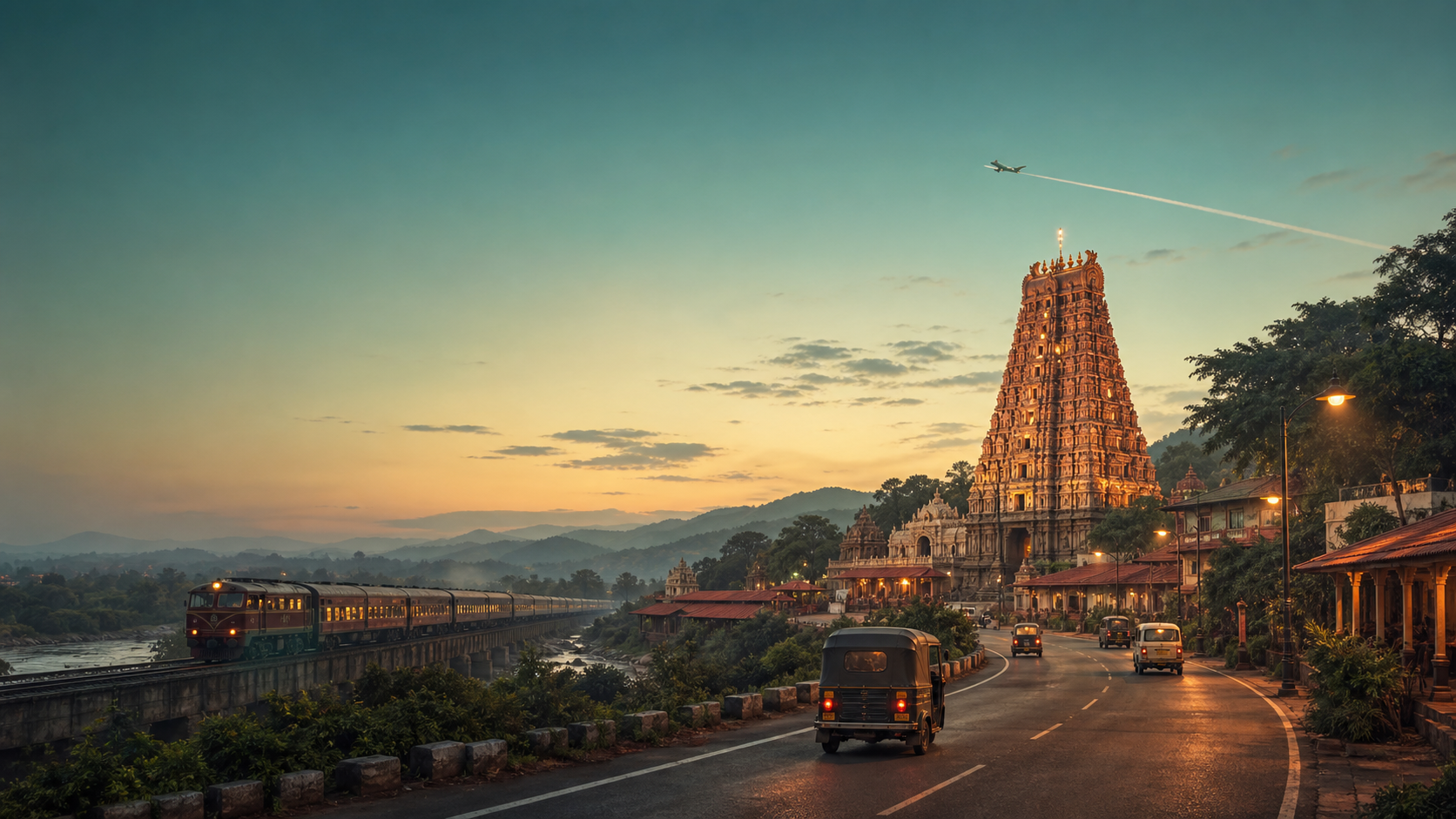
A complete pilgrim record drawn from the existing published article data.
History and Origin of Maula Kalika
The exact origins of the Maula Kalika Temple are shrouded in local legends and ancient tales, suggesting a history deeply intertwined with the region's cultural and religious fabric. It is believed that the temple's establishment on Maula Hill dates back centuries, with various accounts attributing its initial construction or renovation to local rulers or spiritual figures. Over time, the site has been maintained and expanded by devout followers, solidifying its status as a significant shrine. The hill itself is considered sacred, contributing to the temple's enduring spiritual aura and drawing generations of worshippers to its hallowed grounds.
Ancient Foundations
The temple's history is rooted in ancient times, with local lore suggesting its presence on Maula Hill for many centuries, possibly predating modern records.
Royal Patronage
Historical accounts and local traditions often link the temple's development and maintenance to the patronage of local kings or influential families throughout different eras.
Evolution of the Shrine
Over time, the temple has undergone various phases of renovation and expansion, evolving into the prominent pilgrimage site seen today while preserving its original spiritual essence.
Architectural Features and Surroundings
The Maula Kalika Temple exhibits a traditional Nepali architectural style, characterized by its multi-tiered pagoda-like roof, intricate wooden carvings, and vibrant color schemes. The main shrine houses the idol of Goddess Kalika, surrounded by a courtyard where devotees offer prayers and light lamps. The temple's hilltop location on Maula Hill is a defining feature, providing a serene and elevated setting. The ascent to the temple involves a series of steps, offering pilgrims a spiritual journey that culminates in panoramic views of the Narayani River, the surrounding plains, and the distant Mahabharat mountain range, creating a harmonious blend of natural beauty and sacred architecture.
Traditional Nepali Architecture
The temple showcases classic Nepali architectural elements, including a distinctive multi-tiered roof and detailed woodwork, reflecting local craftsmanship.
Hilltop Setting
Perched atop Maula Hill, the temple benefits from a naturally elevated and tranquil environment, enhancing its sacred atmosphere and offering expansive vistas.
Scenic Vistas
From the temple premises, visitors can enjoy sweeping views of the Narayani River below, the fertile plains, and the distant mountain ranges, making the journey rewarding.
The Goddess Kalika: Destroyer of Evil
Goddess Kalika, the principal deity of the Maula Kalika Temple, is revered as one of the most powerful and fierce manifestations of the Divine Mother, Durga or Parvati. She is often depicted with a dark complexion, multiple arms holding various weapons, and a garland of skulls, symbolizing her role as the destroyer of evil forces and ignorance. Devotees worship Kalika for protection against negative energies, for strength to overcome challenges, and for the ultimate liberation from worldly suffering. Her spiritual importance lies in her ability to vanquish darkness and bring about transformation, embodying both destructive and creative cosmic powers.
Manifestation of Durga
Kalika is considered a potent and fierce form of Goddess Durga, representing the supreme feminine power capable of combating malevolent forces.
Iconography and Symbolism
She is typically depicted with a formidable appearance, often holding weapons that symbolize her power to destroy evil and protect the righteous. Her iconography emphasizes her role as a formidable warrior goddess.
Spiritual Devotion
Worshippers seek Kalika's blessings for courage, protection from adversity, and the removal of spiritual and material obstacles, believing in her transformative power.
Planning Your Visit to Maula Kalika
Visiting the Maula Kalika Temple offers a profound spiritual experience coupled with scenic beauty. The temple is accessible via a series of stone steps leading up Maula Hill, providing a devotional ascent. For those traveling by train, Narkatiaganj Junction (NKE) is approximately 69 km away, with routes available via Raghunathpur (RPR). Air travelers can fly into Kushinagar Airport (KBK), located about 117 km from the temple. From the airport, various ground transport options are available. The best time to visit is generally during the cooler, dry seasons to enjoy the climb and the panoramic views comfortably. Visitors are advised to wear modest clothing suitable for a religious site.
Access and Ascent
The temple is reached by ascending a significant number of steps up Maula Hill. This climb is considered part of the pilgrimage for many devotees.
Transportation Options
The nearest major train station is Narkatiaganj Junction (NKE), about 69 km distant. Kushinagar Airport (KBK) is approximately 117 km away, offering flight connections.
Best Time to Visit
The ideal time for a visit is during the dry seasons, typically autumn and spring, when the weather is pleasant for climbing and visibility for views is optimal.
| Deity | Goddess Kalika |
|---|---|
| Form | A fierce manifestation of the Hindu goddess Durga, embodying time, change, power, and destruction. |
| Consort | Not specified |
| Sampradaya | Hindu |
| Significance | As a powerful deity, Kali is revered for her ability to destroy evil forces and grant liberation to her devotees. |
The Unrevealed Legend of Maula Kalika
No specific mythological story or legend associated with the Maula Kalika Temple was provided in the available information. Many ancient temples have rich oral traditions and tales passed down through generations, often detailing the deity's miracles or the temple's founding. However, these specific details are not specified for this particular site.
Kali, the fierce form of Durga, embodies the ultimate power to overcome all obstacles and grant liberation.
In the heart of Nepal, Maula Kalika stands as a testament to divine strength and protective energy.
Introduction to Maula Kalika Temple
The Maula Kalika Temple is a revered Hindu pilgrimage site situated in Gaindakot, Nawalpur District, Gandaki Province, Nepal. Dedicated to Goddess Kalika, a powerful manifestation of Durga, the temple stands majestically atop Maula Hill. It is a significant spiritual destination for devotees seeking blessings and strength. Beyond its religious importance, the temple offers breathtaking panoramic views of the surrounding landscapes, including the Narayani River and the Chitwan plains. Its tranquil yet commanding presence makes it a popular spot for both spiritual seekers and tourists alike, drawing visitors from across Nepal and beyond.
Location and Deity
The temple is prominently located in Gaindakot, Nawalpur District, within Nepal's Gandaki Province. It is primarily dedicated to Goddess Kalika, a fierce and protective form of the Hindu deity Durga.
Spiritual Significance
Maula Kalika holds deep spiritual importance for Hindus, who visit to offer prayers and seek the goddess's blessings for protection, prosperity, and the removal of obstacles.
Panoramic Views
Perched on Maula Hill, the temple site provides extensive views of the Narayani River, the lush green plains of Chitwan, and the distant Himalayan foothills, enhancing the visitor experience.
🗺 How to Reach
Hover a card to animate the journey on the map
Verified routes to Maula Kalika Temple
Common Questions
Where is Maula Kalika Temple: Nepal's Hilltop Goddess located?
Maula Kalika Temple: Nepal's Hilltop Goddess is documented at Gaindakot, Nepal.
Which deity is associated with Maula Kalika Temple: Nepal's Hilltop Goddess?
Maula Kalika Temple: Nepal's Hilltop Goddess is associated with Kalika.