



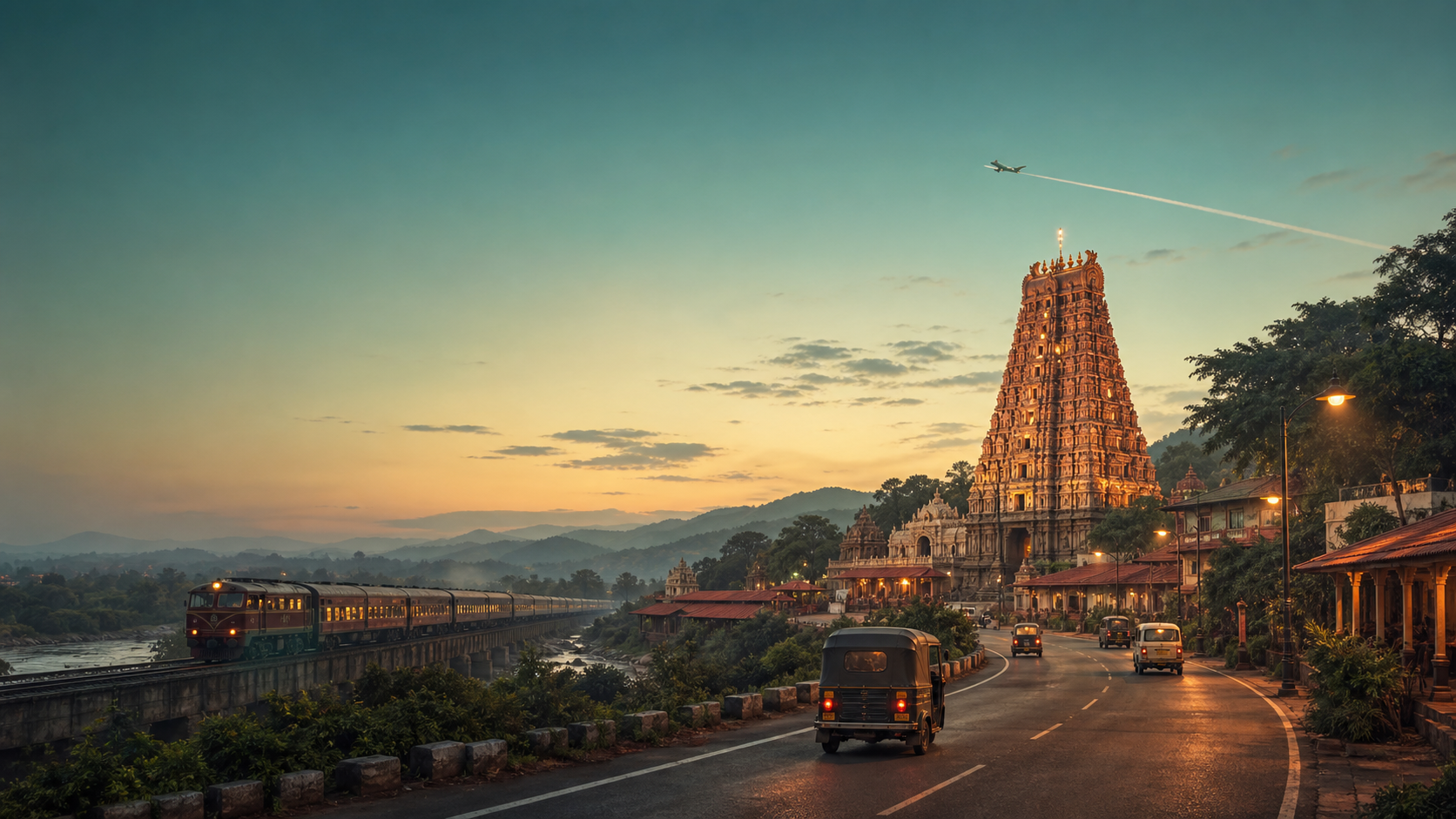
A complete pilgrim record drawn from the existing published article data.
Essential Preparations for Your 7-Day Spiritual Expedition
To ensure a seamless and enriching temple trail experience in Manipur, crucial logistical planning is advised. The optimal time for your visit is between October and March, when the weather is pleasant and conducive for exploration. Packing essentials should include comfortable walking shoes, light and modest clothing suitable for temple visits, and personal hygiene items. Given the varied distances between sites, understanding transport options beforehand is key. Accommodation should be booked in advance, especially during peak seasons, to secure preferred stays. Be prepared for a journey that blends adventure with spiritual reflection.
Best Time to Visit
The cool, dry months from October to March offer the most comfortable climate for exploring Manipur's temples and natural beauty.
Packing Essentials
Carry modest attire, comfortable footwear, a reusable water bottle, basic first-aid, and any necessary personal medications.
Travel Logistics
Plan your transport from Imphal Airport (IMF) and arrange local travel. Dimapur Railway Station (DMV) is the nearest rail hub, requiring further road travel.
Discovering the Sacred Heart of Manipur: A 7-Day Temple Trail
Embark on a profound 7-day spiritual and cultural journey through Manipur, a land rich in ancient traditions and vibrant heritage. This curated temple trail offers an unparalleled opportunity to explore the sacred sites that form the very soul of the region, connecting visitors with centuries of devotion. From legendary tales of the Mahabharata to the enduring spirit of its people, Manipur's temples stand as testaments to its profound past and resilient present. Prepare to immerse yourself in the serene beauty and spiritual depth of this unique Indian state.
A Journey Through Time
Manipur, known historically as Kangleipak or Sanaleibak, the 'Land of Gold,' boasts a heritage deeply intertwined with ancient texts and royal decrees. This trail traces its spiritual evolution.
Connecting with Devotion
Each temple visit offers a chance to witness living traditions, observe local rituals, and understand the profound faith that underpins Manipuri culture and identity.
Unveiling the Itinerary: Seven Days of Devotion and Discovery
This 7-day itinerary guides you through Manipur's most revered temples and cultural landmarks, offering a structured path to spiritual enlightenment and cultural immersion. Each day is designed to balance sacred visits with opportunities to experience local life and scenic beauty. The journey begins in Imphal, the capital, and extends to various significant sites, providing a comprehensive overview of the region's spiritual landscape. While specific temple names are not listed here, the trail encompasses prominent Hindu and indigenous religious sites, reflecting Manipur's diverse spiritual tapestry. Prepare for daily explorations filled with architectural marvels and profound spiritual resonance.
Days 1-3: Imphal and Surroundings
Begin your journey in Imphal, visiting key temples within the city and venturing to nearby sacred sites, immersing yourself in the historical and spiritual core.
Days 4-7: Regional Explorations
Extend your trail to other districts, discovering temples nestled in picturesque landscapes and experiencing the unique cultural practices of different communities.
Beyond the Stones: Understanding the Soul of Manipur's Sacred Sites
Manipur's temples are more than architectural structures; they are living repositories of the region's profound spiritual beliefs, historical narratives, and vibrant cultural practices. The land itself is identified with the legendary kingdom of Manipura from the Mahabharata, imbuing its sacred sites with ancient mythical weight. Historically known as Kangleipak or Sanaleibak, the 'Land of Gold,' Manipur's temples reflect a deep reverence for nature and a unique blend of indigenous traditions with Vaishnavite Hinduism. Understanding their significance involves appreciating the stories, rituals, and community life that thrive within their precincts, revealing the enduring soul of the Manipuri people.
Echoes of the Mahabharata
The mythological identification of Manipur with the epic's legendary kingdom provides a deep historical and spiritual context for its sacred sites.
Cultural Syncretism
Manipur's temples showcase a unique blend of indigenous Meitei religious practices and Vaishnavite traditions, reflecting centuries of cultural evolution.
Sanaleibak's Spiritual Wealth
The ancient name 'Sanaleibak' (Land of Gold) symbolizes the spiritual and cultural richness cherished by the people, a wealth reflected in their devotion.
Navigating Your Journey: Insider Advice for a Memorable Experience
To enhance your Manipur temple trail adventure, consider these insider tips. Respect local customs by dressing modestly, removing footwear before entering temples, and observing silence during prayers. Photography rules vary; always seek permission. For transportation, hiring a local guide or driver is recommended for navigating diverse terrains and understanding local nuances. Health considerations include carrying hand sanitizer, staying hydrated, and being aware of local medical facilities. Embrace the local cuisine and interact respectfully with residents to gain deeper cultural insights. Your thoughtful engagement will ensure a truly memorable and enriching spiritual journey through Manipur.
Cultural Etiquette
Dress modestly, remove shoes at temple entrances, and observe local customs regarding photography and respectful conduct during rituals.
Health and Safety
Stay hydrated, carry necessary medications, and be aware of your surroundings. Local medical assistance is available in larger towns.
Transportation Tips
Consider hiring a local driver or guide for convenience and local expertise, especially for navigating routes outside Imphal.
Reflecting on the Sacred Path: Your Manipur Temple Trail Legacy
As your 7-day Manipur temple trail concludes, take time to reflect on the enduring beauty and profound impact of this spiritual journey. The experiences gained, from witnessing ancient rituals to appreciating architectural marvels, will leave a lasting impression. This trail is not merely about visiting sites, but about connecting with a vibrant culture and a resilient people. The legacy of your trip will be a deeper understanding of Manipur's unique spiritual heritage and a personal connection to its sacred heart. Carry forward the serenity and wisdom discovered along this extraordinary path.
Enduring Beauty
The visual splendor and serene atmosphere of Manipur's temples will remain a cherished memory, reflecting the region's artistic and spiritual depth.
Personal Impact
The journey offers a chance for introspection and spiritual growth, leaving a profound personal mark beyond mere sightseeing.
Cultural Connection
Your visit contributes to the appreciation and preservation of Manipur's rich cultural and religious traditions, fostering a global understanding.
| Deity | Multiple Deities |
|---|---|
| Form | Unknown |
| Consort | Unknown |
| Sampradaya | Unknown |
| Significance | The region is identified with the legendary kingdom of Manipura referenced in the Mahabharata, indicating a deep spiritual and historical significance. |
The Golden Land of Manipura
Long before it was known by its current name, this sacred land was called Kangleipak, or Meiteileipak, by its earliest inhabitants. But it was also lovingly referred to as Sanaleibak, the 'Land of Gold.' This wasn't because of glittering minerals hidden beneath its soil, but because its people cherished a different kind of wealth: prosperity, happiness, and a rich cultural heritage. This profound symbolism was even enshrined in the ancient Loiyumba Shinyen constitution of the 11th-12th century. It wasn't until the 18th century, under the reign of King Gharib Nawaz, that this cherished kingdom officially adopted the name 'Manipur,' echoing the legendary kingdom of the Mahabharata, forever linking its destiny to an epic past.
Manipur, once Sanaleibak, the 'Land of Gold,' holds a wealth of prosperity, happiness, and rich cultural heritage, echoing an epic past.
Deep within the Mahabharata, this region is identified as the fabled Manipura, a land steeped in heroic narratives and divine wisdom.
Related temples: ASI Protected Temples: India's Archaeological Treasures | Bahrot Caves
🗺 How to Reach
Hover a card to animate the journey on the map
Route to Temple
A Living Covenant