A complete pilgrim record drawn from the existing published article data.
A Journey Through Time: The Temple's Enduring Legacy
Tracing the origins of Kodumanal Thangamman Temple reveals a rich tapestry of historical events, royal patronage, and community dedication that shaped its present form. While specific dates for its initial construction are unknown, the temple's architectural elements and religious practices suggest a long and continuous history, deeply intertwined with the local populace. It has withstood the passage of time, serving as a constant testament to the faith of its followers. The temple's evolution reflects the changing dynamics of the region, yet its core spiritual purpose has remained unwavering, making it a living monument to enduring tradition.
Historical Roots
The exact founding period of Kodumanal Thangamman Temple remains unknown, but its ancient lineage is evident in its architectural features and traditional worship practices.
Community and Patronage
The temple's preservation and development over centuries are attributed to the unwavering dedication of the local community and historical patronage, though specific details are unrecorded.
The Divine Presence: Understanding Devi Thangamman
At the heart of the temple's devotion is Devi Thangamman, a powerful manifestation of the Divine Mother, whose legends and blessings draw countless devotees seeking solace and prosperity. As the main deity, Devi Thangamman embodies strength, compassion, and divine grace. Worshippers believe that prayers offered here are answered, leading to the fulfillment of desires and protection from adversities. The deity is revered in the Hindu tradition, representing the universal feminine energy that sustains creation. Her presence in Kodumanal is a source of immense spiritual power, inspiring profound faith and unwavering devotion among her followers.
Manifestation of the Divine Mother
Devi Thangamman is revered as a powerful form of the Divine Mother, embodying universal energy and maternal protection for her devotees.
Source of Blessings
Devotees visit the temple to seek blessings from Devi Thangamman for prosperity, well-being, and relief from difficulties, believing in her benevolent power.
Planning Your Pilgrimage: A Visitor's Guide
This guide provides essential information for visitors, ensuring a meaningful and well-prepared pilgrimage to the sacred Kodumanal Thangamman Temple. The temple welcomes devotees during specified hours, offering ample time for darshan and prayers. Visitors are advised to adhere to the traditional dress code and remove footwear before entering the sacred precincts. The best time to visit is typically from October to March, when the weather is most favorable. Parking facilities are available near the temple for those traveling by car, making access convenient for pilgrims.
Temple Timings and Entry
The temple is open from 6:00 AM to 12:30 PM and again from 4:00 PM to 9:00 PM. Entry is free for all visitors.
Transportation and Access
The temple is accessible by local buses from Kangayam, which is approximately 15-20 km away. Erode Junction is the nearest train station, about 40-50 km distant, while Coimbatore International Airport is the closest airport, around 100-120 km away. Parking is available for cars.
Dress Code and Best Time to Visit
Traditional attire is preferred, and footwear must be removed. The optimal period for a visit is between October and March for pleasant weather.
| Deity | Devi |
|---|
No Specific Legend Available
Details of specific mythological stories or legends associated with the Kodumanal Thangamman Temple are not provided in the available information. The temple likely holds local folklore and traditions passed down through generations of devotees.
The divine feminine, Devi, embodies all cosmic energy and power, guiding creation and sustenance across the universe.
In the heart of Tamil Nadu, devotion finds its home, where the goddess reigns supreme, offering solace to all who seek her grace.
Related temples: Aakkoor Thanthondreeswarar Temple | Abhaya Varadeeswarar Temple, Adirampattinam
Discovering the Sacred Kodumanal Thangamman Temple
The Kodumanal Thangamman Temple stands as a revered spiritual landmark in Tamil Nadu, embodying centuries of devotion and cultural heritage. Situated in the heart of the region, this ancient temple is dedicated to Devi Thangamman, a powerful manifestation of the Divine Mother. It serves as a vital center for religious practices, drawing pilgrims and devotees from various parts of the state. The temple's serene atmosphere and historical significance offer a profound spiritual experience, reflecting the deep-rooted traditions of Hindu worship in Tamil Nadu. Its enduring presence underscores its importance as a beacon of faith and cultural continuity.
Spiritual Significance
The temple is a focal point for devotees seeking blessings and spiritual solace from Devi Thangamman, believed to grant prosperity and protection.
Cultural Heritage
Kodumanal Thangamman Temple represents a rich tapestry of Tamil culture, preserving ancient customs and architectural styles through generations.
Stones That Speak: The Artistry of Kodumanal Thangamman
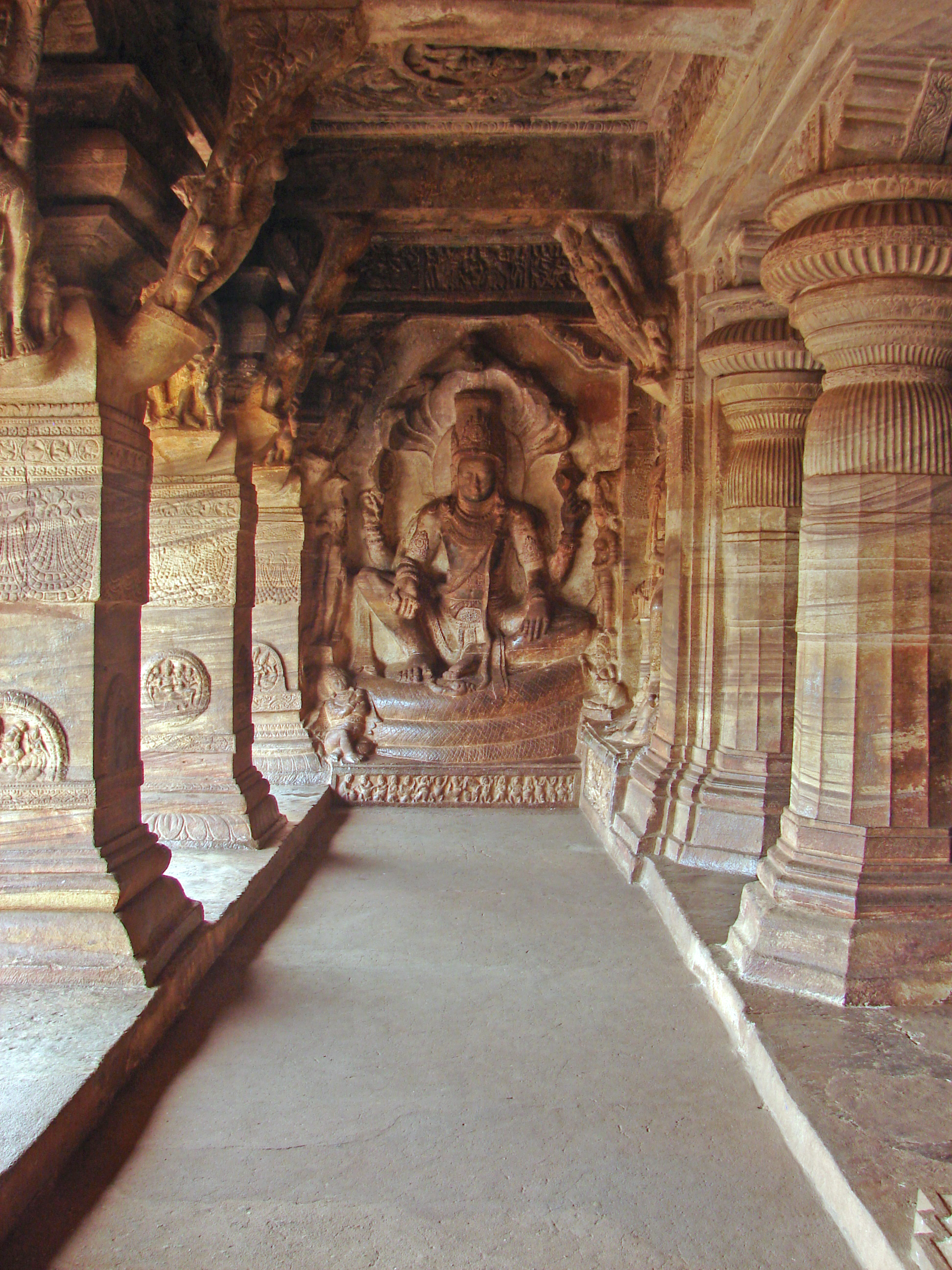
The temple's architecture is a testament to traditional Dravidian craftsmanship, featuring intricate carvings, vibrant gopurams, and sacred spaces designed for spiritual contemplation. Every stone and pillar tells a story, adorned with sculptures depicting deities, mythological figures, and intricate patterns that are characteristic of South Indian temple art. The main shrine, though of unknown origin, exhibits design principles aimed at fostering a deep connection between the devotee and the divine. This architectural grandeur not only serves as a place of worship but also as a cultural repository, preserving the artistic legacy of the region.
Dravidian Architectural Style
The temple showcases classic Dravidian architectural elements, including towering gopurams and meticulously carved stone structures.
Intricate Sculptures and Carvings
Throughout the temple, devotees can observe detailed carvings that depict various mythological narratives and divine forms, reflecting ancient artistic traditions.
Restoration & Conservation
The Kodumanal Thangamman Temple, with its deep historical roots intertwined with the ancient Kodumanal archaeological site, has naturally faced the ravages of time and the elements. Over centuries, various structures within the complex have undergone periods of decay and subsequent revitalization. Early restoration efforts, often initiated by local communities and devout patrons, focused on essential upkeep, ensuring the structural integrity of the main shrine and the preservation of its sacred idols. These initial interventions, though perhaps lacking modern archaeological precision, were crucial in safeguarding the temple's continuous worship and preventing irreversible damage, reflecting a profound community commitment to its spiritual and historical legacy. The temple's ancient stone and brickwork often required meticulous attention to prevent further erosion and maintain its original architectural character.
In more recent decades, the Kodumanal Thangamman Temple has benefited from more systematic and scientifically informed conservation initiatives, often involving collaboration between local temple trusts, state archaeological departments, and heritage organizations. These modern projects aim not only to repair and reinforce deteriorating elements but also to document and understand the temple's original construction techniques and materials. Challenges include mitigating the impact of environmental factors, managing increasing pilgrim footfall, and balancing traditional worship practices with conservation best practices. Future conservation plans likely involve detailed structural assessments, material analysis, and the implementation of sustainable maintenance programs to ensure that this vital piece of Tamil Nadu's cultural and religious heritage remains preserved for generations to come, allowing its ancient stories to continue unfolding.
🗺 How to Reach
Hover a card to animate the journey on the map
Verified routes to Kodumanal Thangamman Temple
Common Questions
Where is Kodumanal Thangamman Temple: Ancient Architectural Marvel located?
Kodumanal Thangamman Temple: Ancient Architectural Marvel is documented at Kangayam, Tamil Nadu.
Which deity is associated with Kodumanal Thangamman Temple: Ancient Architectural Marvel?
Kodumanal Thangamman Temple: Ancient Architectural Marvel is associated with Durga.