



A complete pilgrim record drawn from the existing published article data.
Tracing Ancient Footprints: A Historical Overview of Jharkhand's Sacred Sites
Jharkhand's temples are steeped in history, reflecting centuries of religious evolution. The region, known as 'Kark Khand' in the Mahabharata due to its proximity to the Tropic of Cancer, and later as 'Jharkhand' in medieval inscriptions, has been a significant spiritual hub. The influence of dynasties, notably the Eastern Ganga, shaped many of these sacred structures. A 13th-century copper plate inscription from Narasimha Deva II of the Eastern Ganga dynasty references the region, underscoring its historical importance and the enduring legacy of ancient faiths.
The Kark Khand Legacy
Ancient texts like the Mahabharata identify this land as Kark Khand, highlighting its spiritual significance from the earliest times.
Eastern Ganga Influence
The Eastern Ganga dynasty, known for its architectural prowess, left an indelible mark on the region's temple construction.
Medieval Inscriptions
References to 'Jharkhand' in 13th-century inscriptions confirm the region's established identity and sacred geography.
Stones That Speak: Architectural Styles of the Jharkhand Temple Trail
The temples along the Jharkhand Temple Trail showcase distinct architectural styles, predominantly influenced by the Kalinga (Odisha) and Eastern Ganga Kalinga traditions. These stone structures are characterized by their intricate carvings, towering shikhara (spires), and detailed sculptural narratives. The use of durable stone as a primary building material allowed for the creation of enduring masterpieces that reflect the artistic expressions and construction techniques prevalent during their respective periods. Regional variations add unique charm to each sacred site.
Kalinga Style Dominance
Many temples exhibit the classic Kalinga architectural style, known for its curvilinear towers and elaborate ornamentation.
Eastern Ganga Influence on Design
The Eastern Ganga dynasty contributed specific design elements and sculptural motifs to the region's temple architecture.
Stone Craftsmanship
The temples are primarily built from local stone, demonstrating advanced masonry and carving skills.
Divine Narratives: Deities and Mythology of Jharkhand's Temples
The temples of Jharkhand are home to a diverse pantheon of deities, reflecting the region's varied spiritual traditions. While many temples are dedicated to multiple deities, their mythological significance often traces back to ancient Hindu scriptures and local legends. The land, once known as Kark Khand, has strong ties to narratives from the Mahabharata, enriching the spiritual tapestry. These sacred sites serve as vibrant centers where unique spiritual practices and ancestral stories are preserved and revered, connecting devotees to a rich mythological heritage.
Diverse Pantheon
Temples often house various deities, reflecting a syncretic blend of worship traditions.
Mythological Roots
The region's connection to the Mahabharata and ancient Kark Khand provides a deep mythological context for its sacred sites.
Local Legends and Traditions
Beyond classical narratives, local folklore and unique spiritual practices thrive within these temple complexes.
Embark on a Spiritual Journey: The Jharkhand Temple Trail
The Jharkhand Temple Trail offers a profound 7-day spiritual and cultural exploration across the diverse religious landscape of the state. Centered around Ranchi, this itinerary guides pilgrims and travelers through ancient shrines, sacred groves, and vibrant worship sites. It provides a unique opportunity to connect with the rich spiritual heritage and local traditions that define this region, revealing the deep-rooted faith of its communities. This journey is designed to immerse visitors in the serene and mystical atmosphere of Jharkhand's most revered temples.
A Path of Devotion
The trail is curated to showcase the spiritual diversity, encompassing various Hindu denominations and local indigenous beliefs.
Cultural Immersion
Beyond religious rites, the trail offers insights into the local culture, art, and daily life surrounding these sacred spaces.
Ranchi's Sacred Hub
Many significant temples are located within easy access of Ranchi, making it a convenient base for exploration.
Navigating the Sacred Path: A 7-Day Itinerary for the Jharkhand Temple Trail
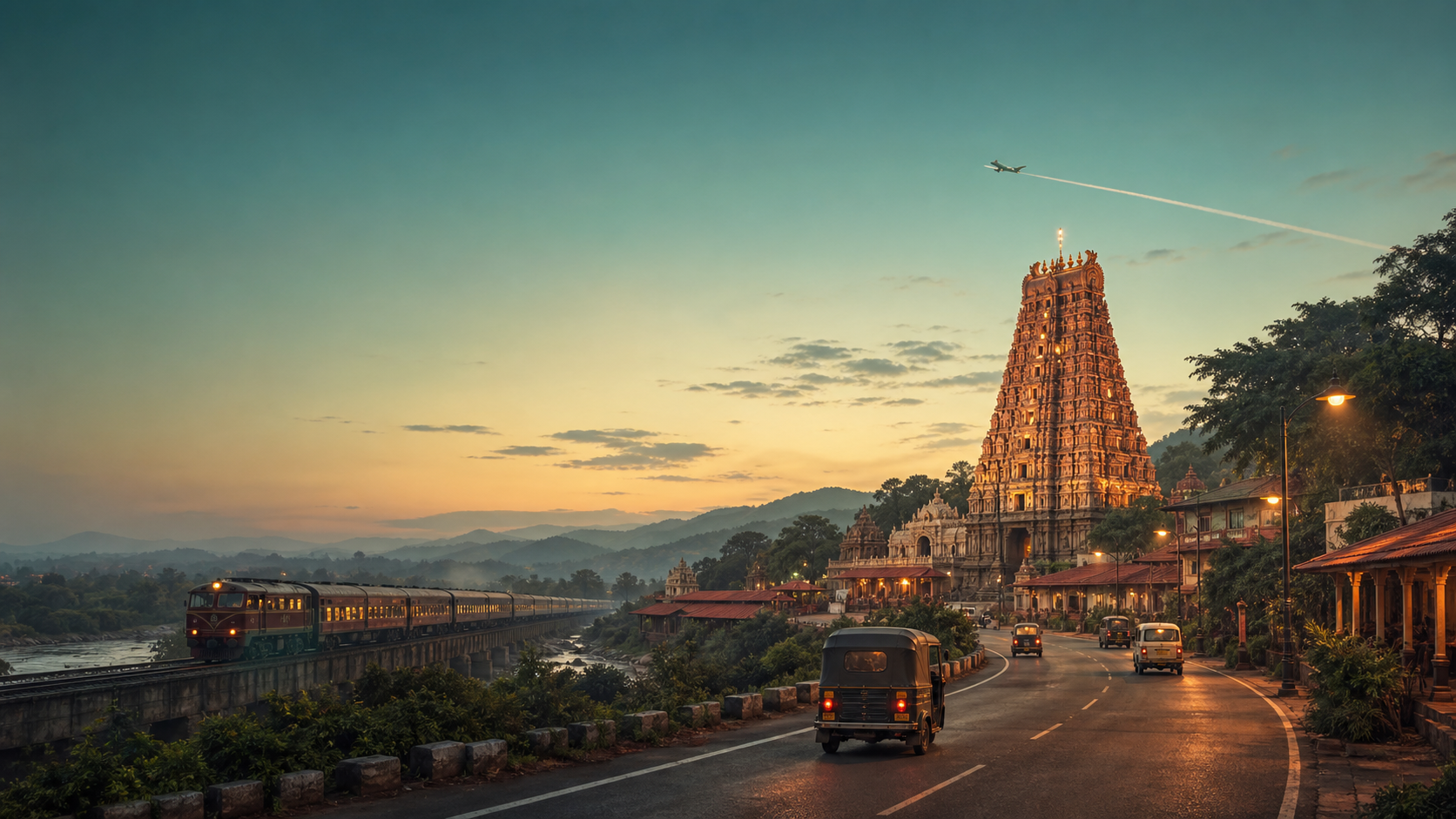
This comprehensive 7-day itinerary offers practical guidance for exploring the Jharkhand Temple Trail. Visitors can typically access temples from 6:00 AM to 12:30 PM and 4:00 PM to 9:00 PM, with free entry. The best time to visit is October to March. Ranchi serves as a convenient hub, with its airport (Birsa Munda Airport, IXR), railway station (Ranchi Junction, RNC), and bus stand providing easy access. Taxis, auto-rickshaws, and local buses are readily available for transport. Adhering to traditional attire and removing footwear is customary.
Getting Around
Ranchi Junction and Birsa Munda Airport offer connectivity, with local transport options like taxis and auto-rickshaws widely available for temple visits.
Best Time to Visit
The cooler months from October to March are ideal for comfortable exploration of the temple trail.
Cultural Etiquette
Visitors should wear traditional attire and remove footwear before entering temple premises, respecting local customs.
| Deity | Multiple Deities |
|---|---|
| Form | Not specified (as this entry represents a temple trail with multiple deities) |
| Consort | Unknown |
| Sampradaya | Not specified |
| Significance | This temple trail encompasses a region historically known as Jharkhand, a forest land stretching from Baidyanath Dham to Puri during the Eastern Ganga rule. It was also referred to as Kark Khand in the Mahabharata, signifying its location near the Tropic of Cancer. |
The Forest Kingdom of Kark Khand
Long before its modern name, this ancient land, a verdant expanse stretching from the sacred abodes of Baidyanath Dham to the hallowed shores of Puri, was known to sages and kings alike. In medieval inscriptions, the entire forest-rich region was revered as 'Jharkhand,' a name echoing its dense, life-giving woodlands. Yet, even older whispers from the epic age of the Mahabharata speak of this very territory by another profound name: 'Kark Khand.' This designation was not arbitrary, but a celestial acknowledgement, for it marked the land's unique position near the Tropic of Cancer. Thus, this sacred forest realm has always been a place where earth and cosmos intertwined, its very identity etched into ancient maps and mythological lore, a testament to its enduring spirit under the watchful eyes of the Eastern Ganga rulers and the epic heroes of yore.
From Baidyanath Dham to Puri, this forest land was revered as Jharkhand, a name echoing its dense, life-giving woodlands.
Known as 'Kark Khand' in the Mahabharata, this region's identity was etched into ancient maps and mythological lore.
Related temples: Ajgaibinath Dham | Amreshwar Dham
Local Cuisine and Accommodation
Jharkhandi cuisine is distinct, often featuring simple yet flavorful dishes that reflect the state's tribal heritage and agricultural bounty. Along the temple trail, pilgrims can savor local delicacies like Dhuska (deep-fried rice flour pancakes), Aloo Chops (spiced potato fritters), and Rugra (a type of mushroom curry). Many temples are surrounded by small eateries offering traditional thalis, often vegetarian, prepared with fresh, locally sourced ingredients. Don't miss the opportunity to try Handia, a traditional rice beer, or Mahua, a spirit distilled from the Mahua flower, though these might be more common in rural areas and not always available near temple premises. The food provides a genuine taste of Jharkhand's culture, offering a comforting and authentic experience that complements the spiritual journey.
Accommodation options along the Jharkhand Temple Trail vary, catering to different budgets and preferences. In major towns like Ranchi, Deoghar, or Jamshedpur, visitors can find a range of hotels, from budget-friendly guesthouses to more upscale establishments with modern amenities. However, closer to the more remote temple sites, options often lean towards simpler guesthouses, dharamshalas (pilgrim rest houses), or even ashrams that offer basic but clean lodging. These dharamshalas are particularly popular among pilgrims, providing an economical and community-oriented stay, often with shared facilities. It's advisable to book accommodation in advance, especially during peak pilgrimage seasons or festivals, to ensure a comfortable and hassle-free spiritual journey through Jharkhand's sacred landscapes.
🗺 How to Reach
Hover a card to animate the journey on the map
Route to Temple
Related Temples


A Living Covenant