



A complete pilgrim record drawn from the existing published article data.
Architectural Marvels of Jharkhand Dham
Jharkhand Dham exhibits a distinctive Hindu temple architecture, characterized by its unique open-air design which sets it apart from many traditional enclosed shrines. The temple's construction, though its material remains unknown, emphasizes the raw, natural essence of its sacred space. The most striking feature is the Shiva Lingam itself, which is not housed within an elaborate sanctum but is often exposed, reinforcing its connection to the elements. This architectural approach underscores simplicity and direct communion with the divine, making it a unique example of regional temple design.
Open-Air Design
A defining characteristic of Jharkhand Dham is its predominantly open-air layout. This design choice allows for a more direct interaction with nature and the elements, contributing to a distinct spiritual experience for devotees.
The Unique Shiva Lingam
The central Shiva Lingam is a focal point, often presented without a complex superstructure, emphasizing its inherent sacredness. Its simplicity and natural setting are key elements of the temple's architectural identity.
Material and Style
While the specific construction material is not identified, the temple adheres to a general Hindu temple architecture style. Its design elements are functional and devotional, reflecting traditional forms adapted to its unique setting.
The Divine Presence: Lord Shiva at Jharkhand Dham
Jharkhand Dham is unequivocally dedicated to the Hindu god Shiva, serving as a significant center for the Shaiva tradition. Devotees flock to the temple to offer prayers and seek the blessings of the presiding deity, Lord Shiva, manifested through the revered Shiva Lingam. The spiritual energy emanating from the shrine is believed to grant solace, fulfill wishes, and provide protection. The annual Maha Shivaratri festival is a major event, drawing immense crowds who engage in fervent worship, celebrating the divine presence of Shiva with great devotion.
Dedication to Lord Shiva
The primary deity worshipped at Jharkhand Dham is Lord Shiva, making it a pivotal site for followers of the Shaiva tradition. Pilgrims come specifically to honor and connect with this powerful Hindu god.
Significance of the Shiva Lingam
The Shiva Lingam is the central object of veneration, representing the formless divine energy of Shiva. Devotees perform rituals and offerings to the Lingam, believing it to be a direct conduit to the deity's blessings.
Maha Shivaratri Celebrations
The temple becomes a focal point during Maha Shivaratri, an annual festival celebrating Lord Shiva. This period sees heightened devotional activities, special prayers, and a large fair, marking it as the most important event.
A Pilgrim's Guide to Jharkhand Dham
Visiting Jharkhand Dham offers a profoundly spiritual experience, and preparation can enhance your pilgrimage. The temple maintains an open entry policy, allowing free access to all devotees. Traditional attire is preferred, and removing footwear before entering the sacred premises is customary. The best time to visit is during winter, from October to March, especially coinciding with Maha Shivaratri for a vibrant spiritual atmosphere. A typical visit duration is half a day, allowing ample time for darshan and reflection.
Best Time and Entry
The ideal period for pilgrimage is during the winter months (October–March), particularly for the Maha Shivaratri festival. Entry to the temple is free, making it accessible to all.
Dress Code and Etiquette
Devotees are encouraged to wear traditional attire as a mark of respect. It is mandatory to remove footwear before entering the temple, adhering to customary Hindu temple etiquette.
Reaching the Temple
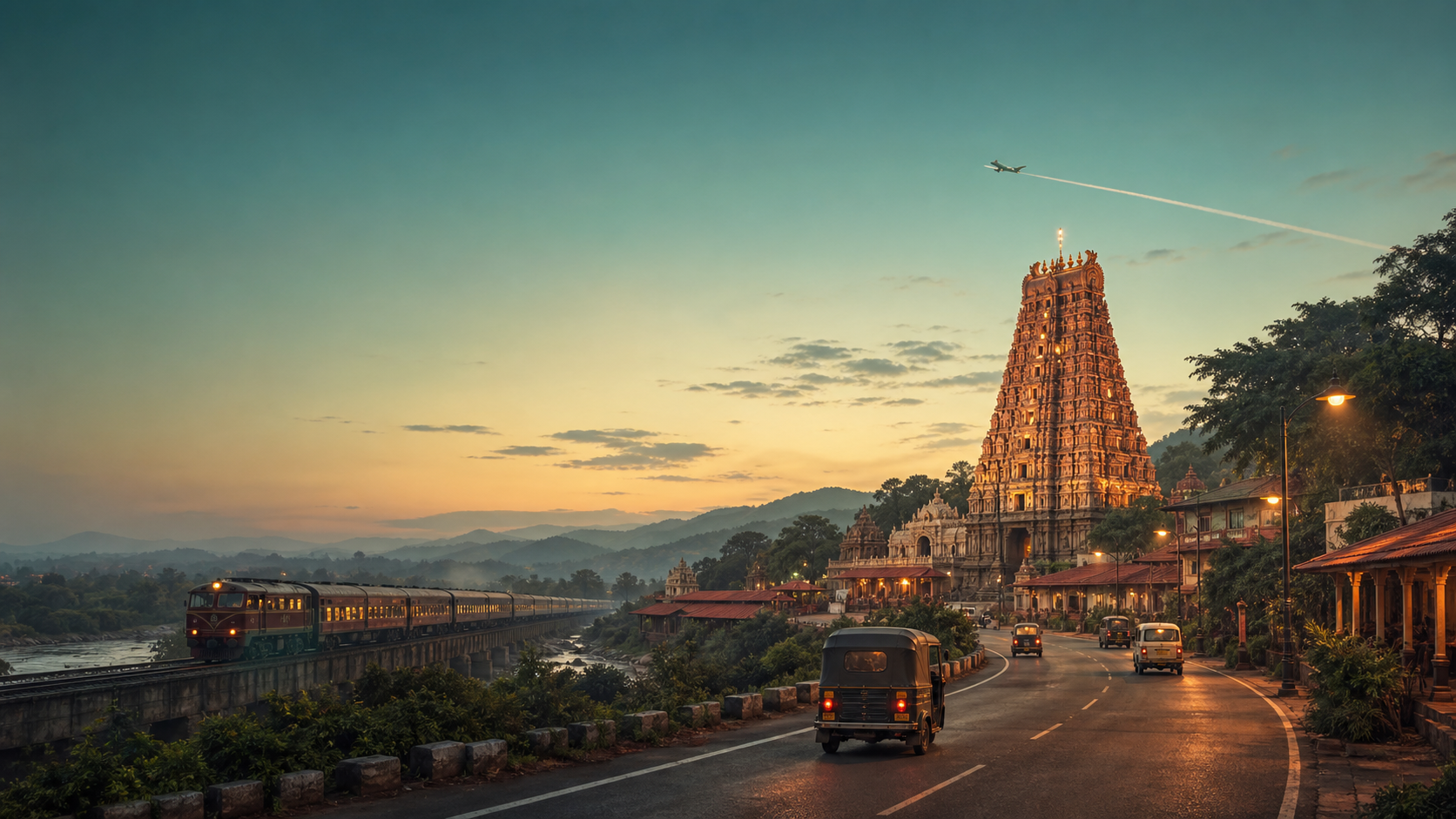
Jharkhand Dham is accessible via various transport modes. Giridih is the nearest bus hub, and Dhanwar Railway Station is approximately 10 km away. For air travel, Birsa Munda Airport in Ranchi is the closest. NH-114A connects by car.
| Deity | Shiva |
|---|---|
| Form | Shiva is often worshipped in the aniconic form of a Lingam, symbolizing his cosmic creative and destructive power. He is also depicted in various anthropomorphic forms, typically with a third eye, a crescent moon, and holding a trident. |
| Consort | Parvati |
| Sampradaya | Shaiva |
| Significance | As one of the principal deities of Hinduism, Shiva is known as 'The Destroyer' or 'The Transformer' within the Trimurti. He represents the cycle of creation, preservation, and dissolution, and is revered as the supreme being in Shaivism. |
No Specific Legend Available for Jharkhand Dham
The provided information does not include any specific mythological story or legend associated with Jharkhand Dham temple.
Lord Shiva, the Destroyer and Transformer, represents the cosmic cycle of creation, preservation, and dissolution.
Shaiva tradition
Experience the divine presence of Shiva in his aniconic Lingam form, a powerful symbol of cosmic energy.
Hindu scriptures
Related temples: Ajgaibinath Dham | Amreshwar Dham
The Enduring Legacy: Tracing the History of Jharkhand Dham
While the precise origins of Jharkhand Dham remain largely unknown, with no recorded builder or specific dynasty associated with its construction, its history is deeply ingrained in local lore and continuous spiritual devotion. The temple's enduring presence reflects centuries of community dedication, passed down through generations. It stands as a testament to the unwavering faith of the local populace, preserving ancient traditions and spiritual practices despite the absence of documented historical records. This rich, unwritten history underscores its profound cultural and religious significance.
Shrouded Origins
The exact date of establishment and the original builders of Jharkhand Dham are not definitively known. This lack of specific historical documentation contributes to the temple's enigmatic charm, allowing for various local legends to flourish.
Local Lore and Devotion
The temple's history is predominantly preserved through local narratives and oral traditions, highlighting the continuous devotion of the community. These stories often speak of divine intervention and miraculous occurrences, reinforcing its sacred status.
Centuries of Spiritual Significance
Despite its undocumented past, Jharkhand Dham has maintained its spiritual importance for a considerable period. Its sustained role as a place of worship demonstrates a deep, long-standing connection with the spiritual life of the region.
Discovering Jharkhand Dham: A Sacred Abode of Lord Shiva
Jharkhand Dham, nestled in Giridih, Jharkhand, is a prominent Hindu pilgrimage site dedicated to the revered deity Shiva. It attracts devotees seeking spiritual solace and blessings from its unique Shiva Lingam. The temple is celebrated for its tranquil spiritual atmosphere, offering a serene environment for worship and meditation. Its significance as a center of faith in the region is undeniable, drawing pilgrims from various parts of the state and beyond. The shrine stands as a testament to deep-rooted devotion to Lord Shiva.
Location and Significance
Situated in Giridih, Jharkhand, the temple serves as a vital spiritual hub. Its geographical placement contributes to its accessibility for devotees across the region, solidifying its role as a significant pilgrimage destination.
The Unique Shiva Lingam
Central to the temple's reverence is its distinctive Shiva Lingam, which is believed to possess special spiritual energy. This particular form of the Shiva Lingam is a primary draw for pilgrims and a point of unique identity for Jharkhand Dham.
Spiritual Ambiance
The temple complex is renowned for its peaceful and tranquil ambiance. This serene environment fosters a deep sense of devotion and provides an ideal setting for spiritual contemplation and prayer for all visitors.
Modern Pilgrimage
In contemporary times, the pilgrimage to Jharkhand Dham has undergone significant transformations, reflecting broader shifts in religious tourism across India. While the core spiritual devotion remains, modern infrastructure, including improved road networks and digital connectivity, has made the temple far more accessible to a wider demographic. Pilgrims now often utilize online platforms for travel planning, accommodation bookings, and even virtual darshan, integrating technology into their spiritual journey. This has led to a surge in visitors from urban centers and younger generations, who seek both spiritual solace and a connection to cultural heritage. The temple management has also adapted, implementing digital information boards and online donation facilities to cater to the modern pilgrim's expectations, ensuring the ancient site remains relevant in the 21st century.
The modern pilgrimage experience at Jharkhand Dham is characterized by a blend of traditional rituals and contemporary conveniences. While devotees still perform age-old ceremonies and offer prayers, the surrounding area now provides a range of facilities, from guesthouses and eateries to souvenir shops, catering to the needs of diverse visitors. However, this increased footfall also presents challenges, such as managing crowds during peak seasons and ensuring sustainable development to preserve the sanctity and ecological balance of the site. Efforts are continuously made to enhance visitor facilities while maintaining the temple's spiritual essence. The future of pilgrimage here likely involves further integration of eco-friendly practices, enhanced digital engagement, and community-based tourism initiatives, ensuring a meaningful and responsible journey for all who seek blessings at this sacred abode.
🗺 How to Reach
Hover a card to animate the journey on the map
Route to Giridih District
Common Questions
Where is Jharkhand Dham: Shiva's Sacred Abode in Giridih located?
Jharkhand Dham: Shiva's Sacred Abode in Giridih is documented at Giridih.
Which deity is associated with Jharkhand Dham: Shiva's Sacred Abode in Giridih?
Jharkhand Dham: Shiva's Sacred Abode in Giridih is associated with Shiva.
Related Temples


A Living Covenant