




A complete pilgrim record drawn from the existing published article data.
A Glimpse into the Past: The Rich History of Tripura's Temples
The history of Tripura's temples is deeply intertwined with its royal lineage. Many of these sacred structures, including the revered Tripura Sundari Temple, owe their existence and subsequent renovations to the patronage of the Manikya dynasty. These rulers not only commissioned the construction of new temples but also ensured the preservation and expansion of existing ones, reflecting their profound devotion and political influence. The architectural styles and inscriptions often narrate tales of ancient kingdoms, religious transformations, and the enduring spiritual practices that have shaped the state over centuries.
Royal Patronage
The Manikya dynasty played a crucial role in the establishment and maintenance of many temples.
Ancient Origins
Many temples trace their roots back centuries, reflecting long-standing religious practices.
Historical Narratives
Temple architecture and inscriptions serve as chronicles of Tripura's rich past and evolving spiritual landscape.
Unique Designs: The Distinctive Architecture of Tripura's Temples
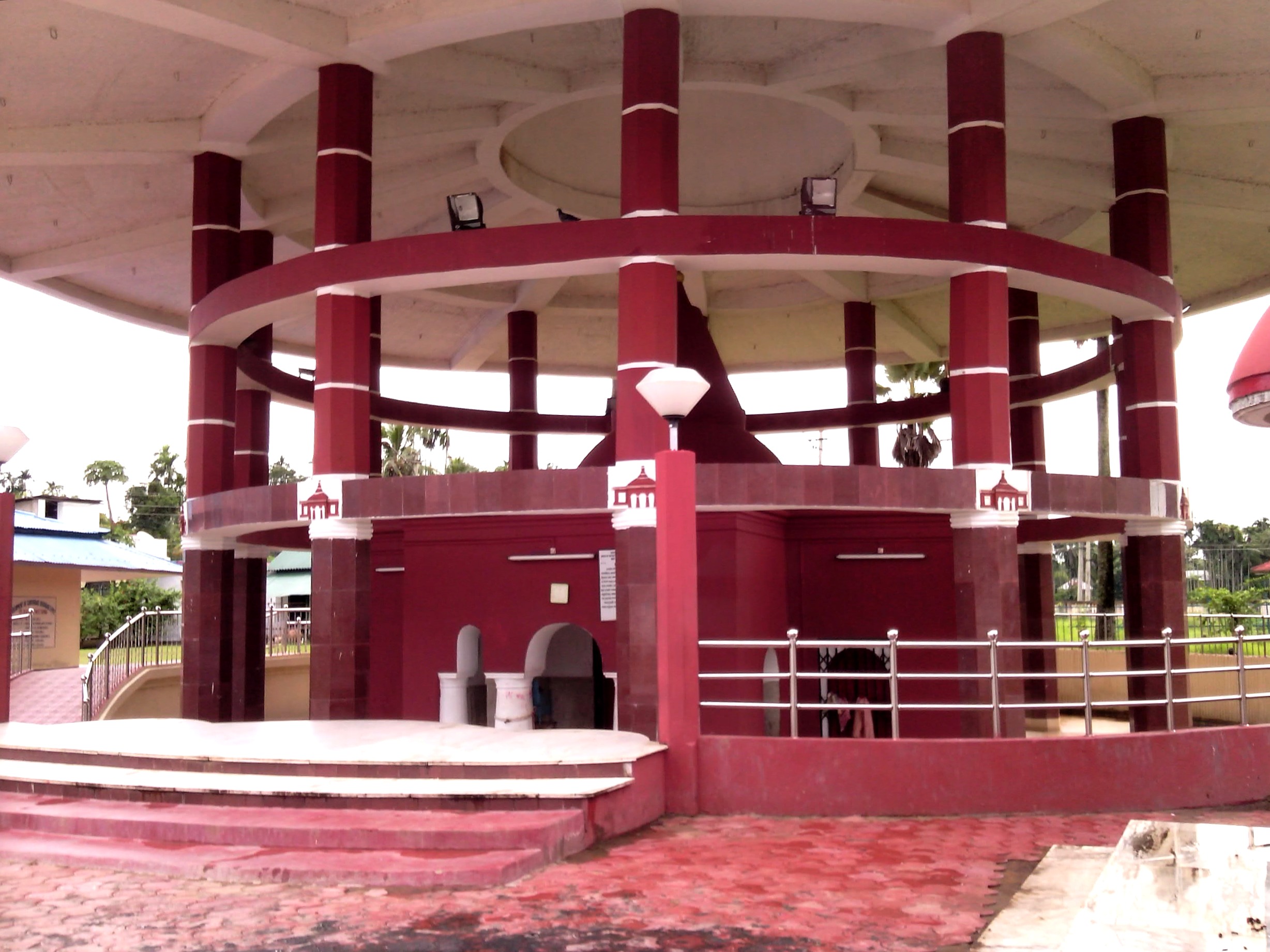
Tripura's temples exhibit a distinctive architectural style, often blending indigenous building traditions with influences from neighboring regions. Characterized by their unique chala roofs, resembling inverted boats or huts, and often constructed from brick or laterite, these structures stand apart. The use of terracotta plaques depicting mythological scenes and daily life is a common feature, adding artistic richness. While some temples, like the Tripura Sundari Temple, showcase a blend of Bengali chala and Manipuri styles, others retain a more localized aesthetic, reflecting the diverse cultural tapestry of the state.
Chala Roofs
The distinctive curved rooflines are a hallmark of Tripuri temple architecture, inspired by local hut designs.
Terracotta Artistry
Intricate terracotta panels adorn many temple walls, depicting deities, mythological stories, and social life.
Regional Blends
Architectural styles often incorporate elements from Bengal and Manipuri traditions, creating a unique synthesis.
Goddess of Beauty: The Mythology and Significance of Tripura Sundari
Goddess Tripura Sundari, also known as Tripureshwari or Shodashi, is the presiding deity of the revered Tripura Sundari Temple, one of the 51 Shakti Peeths. She is a significant manifestation of Adi Shakti, representing beauty, power, and ultimate reality in the Shaktism tradition. Mythology recounts that the right foot of Sati fell here, sanctifying the site. Devotees believe that worshipping her grants prosperity, liberation, and fulfillment of desires. Her worship is central to the spiritual life of Tripura, drawing pilgrims and influencing local customs and festivals, embodying the state's spiritual core.
A Shakti Peeth
The Tripura Sundari Temple is recognized as one of the 51 sacred Shakti Peeths, making it a highly revered pilgrimage site.
Manifestation of Adi Shakti
Tripura Sundari is worshipped as the supreme goddess, embodying beauty, sovereignty, and cosmic energy.
Spiritual Impact
Her worship profoundly influences the spiritual practices, cultural expressions, and daily lives of the people of Tripura.
Planning Your Spiritual Journey: A Visitor's Guide to Tripura's Hidden Temples
To truly appreciate Tripura's hidden temples, planning is key. The best time to visit is during the cooler months from October to March. While entry is generally free, timings should be noted: 6:00 AM – 12:30 PM and 4:00 PM – 9:00 PM for the main temple. Dress modestly, covering shoulders and knees, and remember to remove footwear before entering sanctum areas. Allow 1-2 hours per temple to soak in the atmosphere. Local transport like auto-rickshaws or hired cars are recommended for accessibility. Respect local customs to ensure a meaningful and harmonious visit.
Best Time to Visit
The period from October to March offers pleasant weather, ideal for exploring the temples comfortably.
Etiquette and Dress Code
Visitors should wear modest attire, covering shoulders and knees, and remove footwear as a sign of respect.
Getting Around
Utilize local buses, auto-rickshaws, or hired cars from Agartala to reach the various temple sites efficiently.
| Deity | Tripura Sundari |
|---|---|
| Form | Unknown |
| Consort | Unknown |
| Sampradaya | Shakta |
| Significance | Revered as the supreme goddess of beauty, power, and consciousness, she is one of the ten Mahavidyas in Shaktism. |
The Divine Beauty of Tripura Sundari
Tripura Sundari, also known as Lalita, is revered as the supreme goddess in the Srikula tradition of Shaktism. She is one of the ten Mahavidyas, representing the ultimate beauty, power, and consciousness of the universe. Often depicted as a sixteen-year-old girl, she embodies perfection and grace. Devotees believe her worship grants spiritual liberation, material prosperity, and profound wisdom. She is the divine mother who manifests in all creation, holding sway over the three worlds with her enchanting presence.
In her divine form, Tripura Sundari encompasses all beauty, all power, and all knowledge.
Experience the serene devotion and ancient mystique within this sacred space dedicated to the Divine Mother.
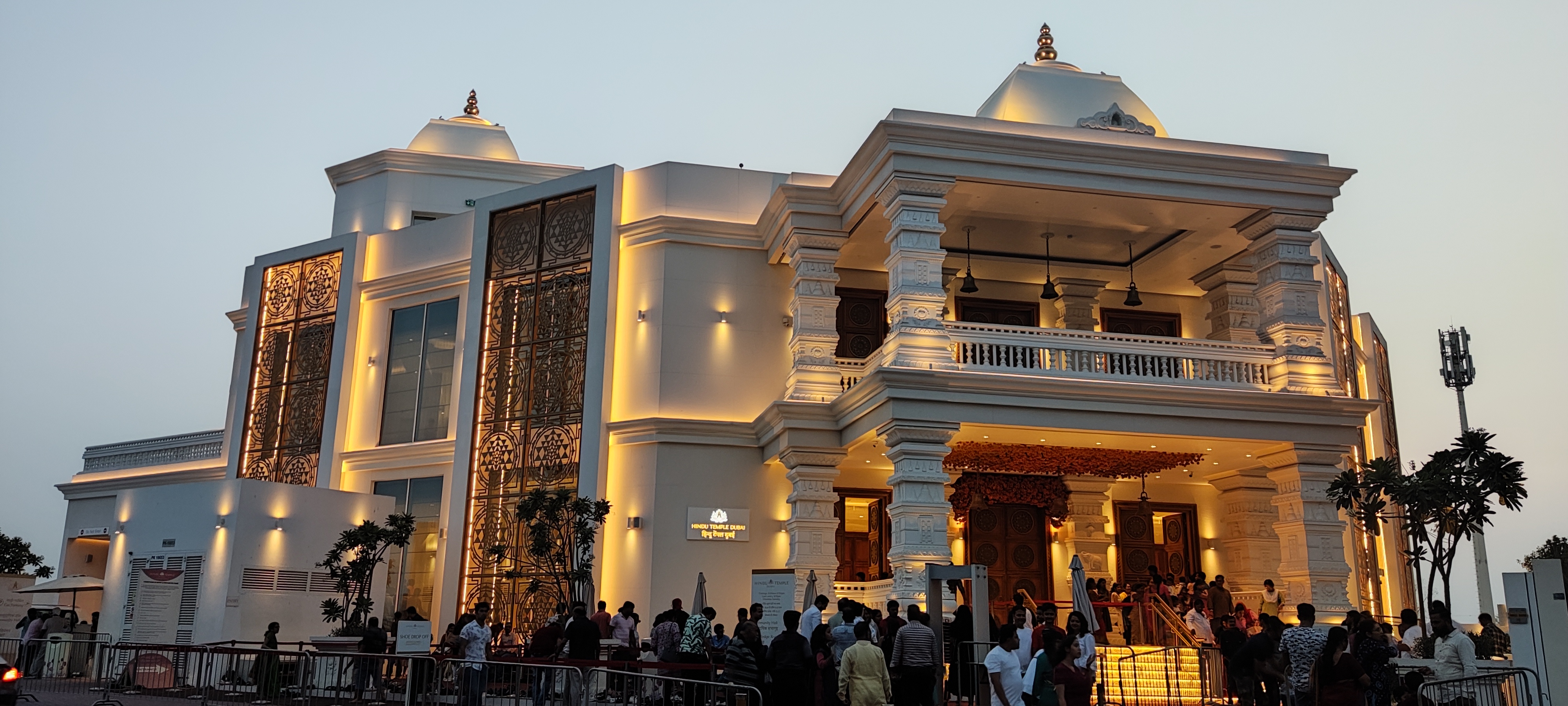
Related temples: Chandranath Temple | Hindu Temple, Dubai
Unveiling Tripura's Sacred Secrets: Temples Off the Beaten Path
Tripura, a northeastern Indian state, harbors a collection of ancient temples that remain largely undiscovered by mainstream tourism. These sacred sites offer a profound glimpse into the region's spiritual heritage and vibrant cultural tapestry. Often nestled amidst serene landscapes, they provide a tranquil escape and a unique opportunity to connect with centuries of devotion. Their understated beauty and historical depth make them compelling destinations for those seeking authentic cultural experiences beyond typical tourist trails. Exploring these hidden gems reveals the true essence of Tripura's spiritual landscape.
Beyond the Mainstream
Discovering less-visited sacred sites offers a unique perspective on local culture and spirituality.
Cultural Immersion
Engaging with local traditions and beliefs enriches the travel experience significantly.
Spiritual Serenity
Finding peace in ancient, tranquil settings provides a profound sense of calm and reflection.
Restoration & Conservation Efforts
Many of Tripura's hidden temples, by their very nature, often escape the comprehensive conservation efforts directed towards more prominent heritage sites. This lack of sustained attention leaves them acutely vulnerable to natural decay, exacerbated by the region's humid climate and heavy monsoon rains, which can erode delicate terracotta work and weaken brick structures. Encroachment by vegetation, vandalism, and even modern construction further threaten their integrity. The unique construction materials, such as laterite stone and intricate brickwork, demand specialized conservation techniques that are often unavailable or underfunded for these lesser-known sites. Without timely intervention and proper documentation, these architectural and historical treasures face an imminent risk of irreparable damage or complete loss, silently diminishing Tripura's rich cultural tapestry. Despite these significant challenges, nascent efforts are gradually emerging to safeguard some of these forgotten shrines. Local community groups, often in collaboration with small heritage organizations or dedicated individuals, undertake basic maintenance, such as clearing overgrown foliage, minor structural repairs, and raising awareness among villagers. There is a pressing need for more comprehensive governmental support, including detailed archaeological surveys, scientific restoration projects, and the implementation of protective legal frameworks. Fostering public-private partnerships and involving local communities directly in preservation initiatives are crucial for sustainable conservation. Such concerted efforts would not only ensure the physical survival of these temples but also help to re-establish their historical significance, potentially transforming them from hidden gems into cherished, accessible cultural landmarks.🗺 How to Reach
Hover a card to animate the journey on the map
Route to Temple
Related Temples

A Living Covenant