
A complete pilgrim record drawn from the existing published article data.
A Heritage Woven in Time: The History of Dubdi
Foundational Narrative of Sikkim
Key Historical Milestones
The monastery stands as a physical testament to the spiritual and political collaboration that birthed the Kingdom of Sikkim, embedding its very stones with the echoes of history.
Lineage and Ascetic Legacy
Architectural Majesty: Stone and Spirit
Structural Elements and Craftsmanship
- The main structure is meticulously constructed from local stone, showcasing traditional Himalayan masonry techniques.
- It features two distinct side aisles, carefully preserved for housing a rare collection of ancient manuscripts and invaluable ritual texts.
- A tapering tower crowns the structure, providing a distinctive silhouette against the sky. This tower is topped by a flat roof made of iron sheets, featuring projecting eaves that offer essential protection from the harsh elements.
Symbolism of the Apex and Interiors

Every stroke of paint and every carved detail within Dubdi Monastery contributes to a visual sermon, reflecting centuries of devotion and the profound spiritual understanding of its builders.
The Sacred Landscape: Deities and Legends
Presiding Figures and Iconography
Lhetsum Chenpo (Lhatsun Namkha Jigme)
Lhetsum Chenpo, often identified with Lhatsun Namkha Jigme, is one of the three saintly lamas credited with consecrating the first Chogyal of Sikkim. He is a pivotal figure in Sikkim's history and spiritual narrative, revered as a founder and a great tantric master of the Nyingma lineage. His enshrined image at Dubdi Monastery symbolizes the unbroken spiritual connection to the kingdom's origins.
Founding Legends and Sacred Narratives
The Consecration of Sikkim's First King
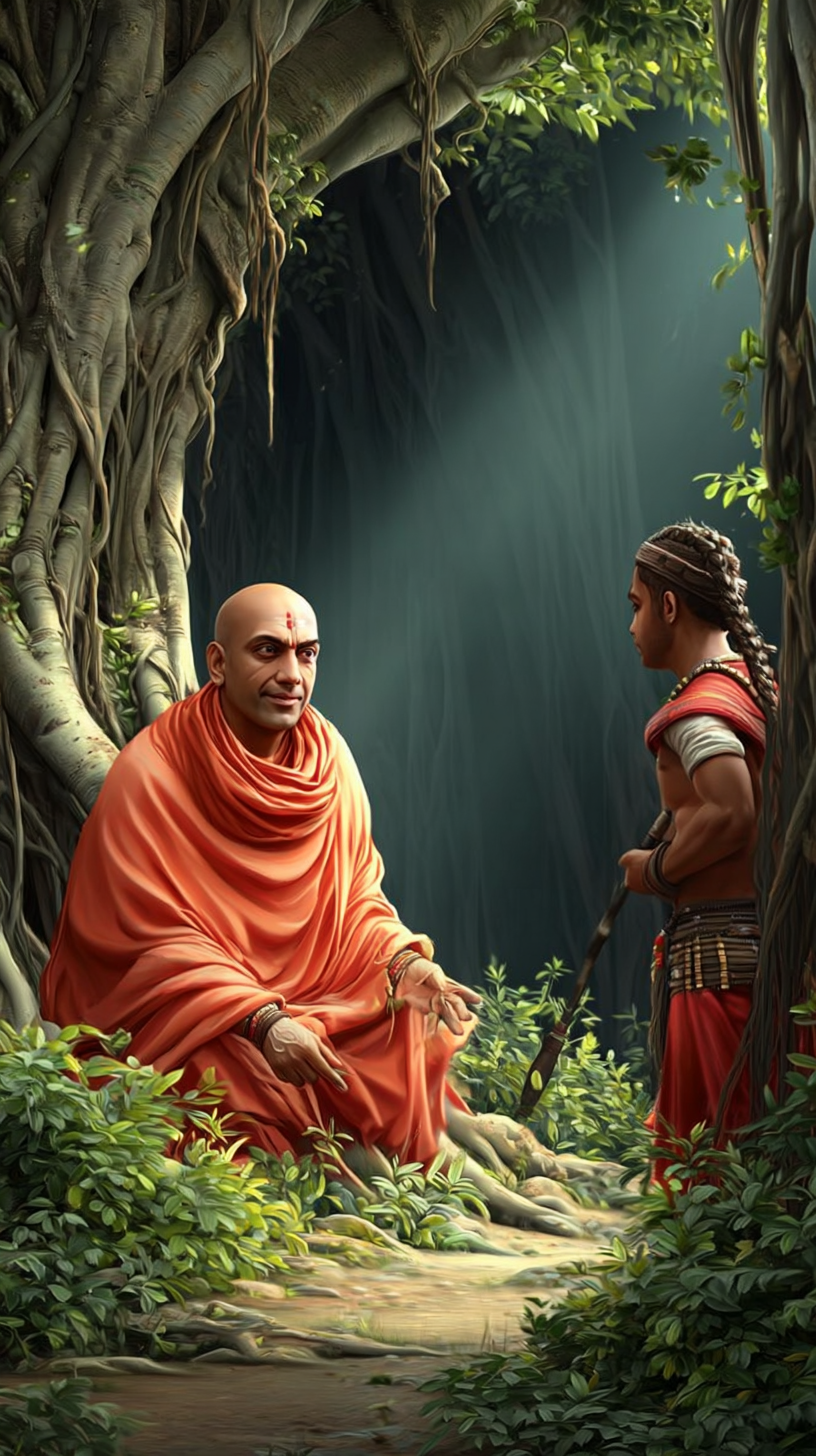
In the mid-17th century, three venerated lamas – Lhatsun Namkha Jigme, Nga-Dak Sem-Pa Phun-Tsog, and Kathok Rig-Zin Chen-Po – journeyed from different directions to converge at Yuksom. Here, they united to consecrate Phuntsog Namgyal as the first Chogyal, or Dharma King, of Sikkim. This momentous event marked the official genesis of the Kingdom of Sikkim, guided by Buddhist principles. Dubdi Monastery was then constructed as a lasting memorial to this historic spiritual and political unification.
Monastic Life and Spiritual Significance

The Rhythm of Devotion: Festivals and Observances
Annual Rituals and Buddhist Calendar
The Role of the Monastic Community
A Journey Through the Himalayas: Visitor Guide
We invite you to explore the wider spiritual landscape of Sikkim. Discover more about the cultural gems of the region by reading our article on the Pemayangtse Monastery, another crucial center of Nyingma Buddhism.
Reaching the High Sanctuary
Essential Preparations and Etiquette
- Travel Preparation: Due to the high altitude (2,100m), visitors should acclimatize slowly. Proper clothing, including warm layers, rain gear, and comfortable trekking shoes, are essential for enjoying the monastery and the surrounding views. Carry sufficient water and snacks.
- Local Connection: Engaging with the local Sikkimese culture will deepen your understanding of the monastery's context and significance. Consider hiring a local guide for insights into the trail and the history.
- Respectful Approach: Remember that you are visiting a living spiritual center. Maintain a posture of deep respect for the monastic community and their way of life. Dress modestly, speak softly, and ask permission before taking photographs, especially inside the shrine.
Exploring the Surroundings
🗺 How to Reach
Hover a card to animate the journey on the map
Route to Kalimpong
Common Questions
Where is Dubdi Monastery: Ancient Buddhist Heritage in Sikkim's Hills located?
Dubdi Monastery: Ancient Buddhist Heritage in Sikkim's Hills is documented at Sikkim.
Which deity is associated with Dubdi Monastery: Ancient Buddhist Heritage in Sikkim's Hills?
Dubdi Monastery: Ancient Buddhist Heritage in Sikkim's Hills is associated with Buddha.
Related Temples


A Living Covenant