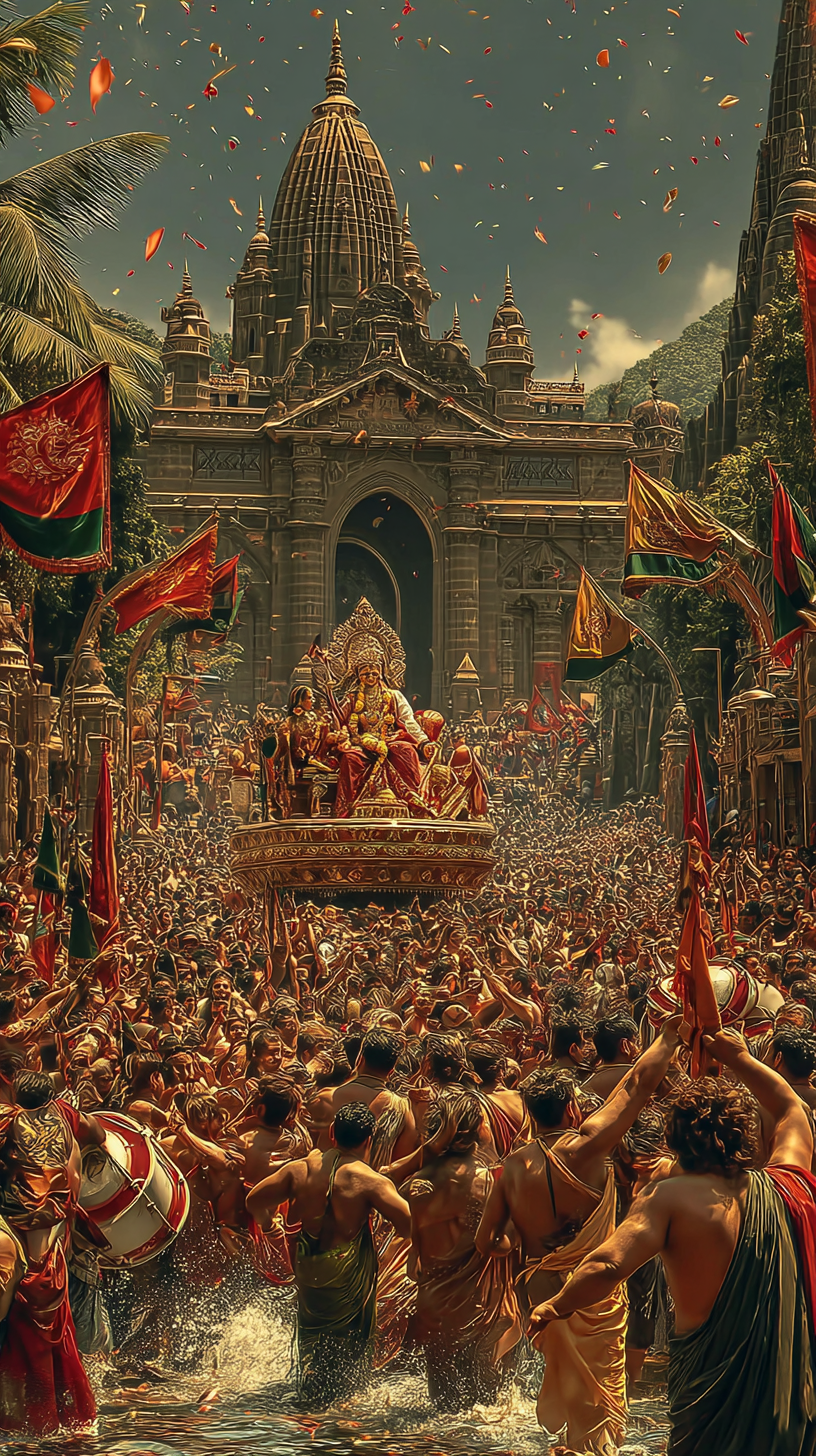
A complete pilgrim record drawn from the existing published article data.

Historical Foundation of the Yatra
Ancient Origins and Evolution
Key Milestones in Char Dham History
Key Figures and Enduring Legacy
"The Char Dham Yatra is more than a physical trek; it is a spiritual calibration, where the silence of the mountains allows the voice of the divine to be heard."
Architectural Marvels and Himalayan Scenery
The Majesty of Kedarnath and Badrinath
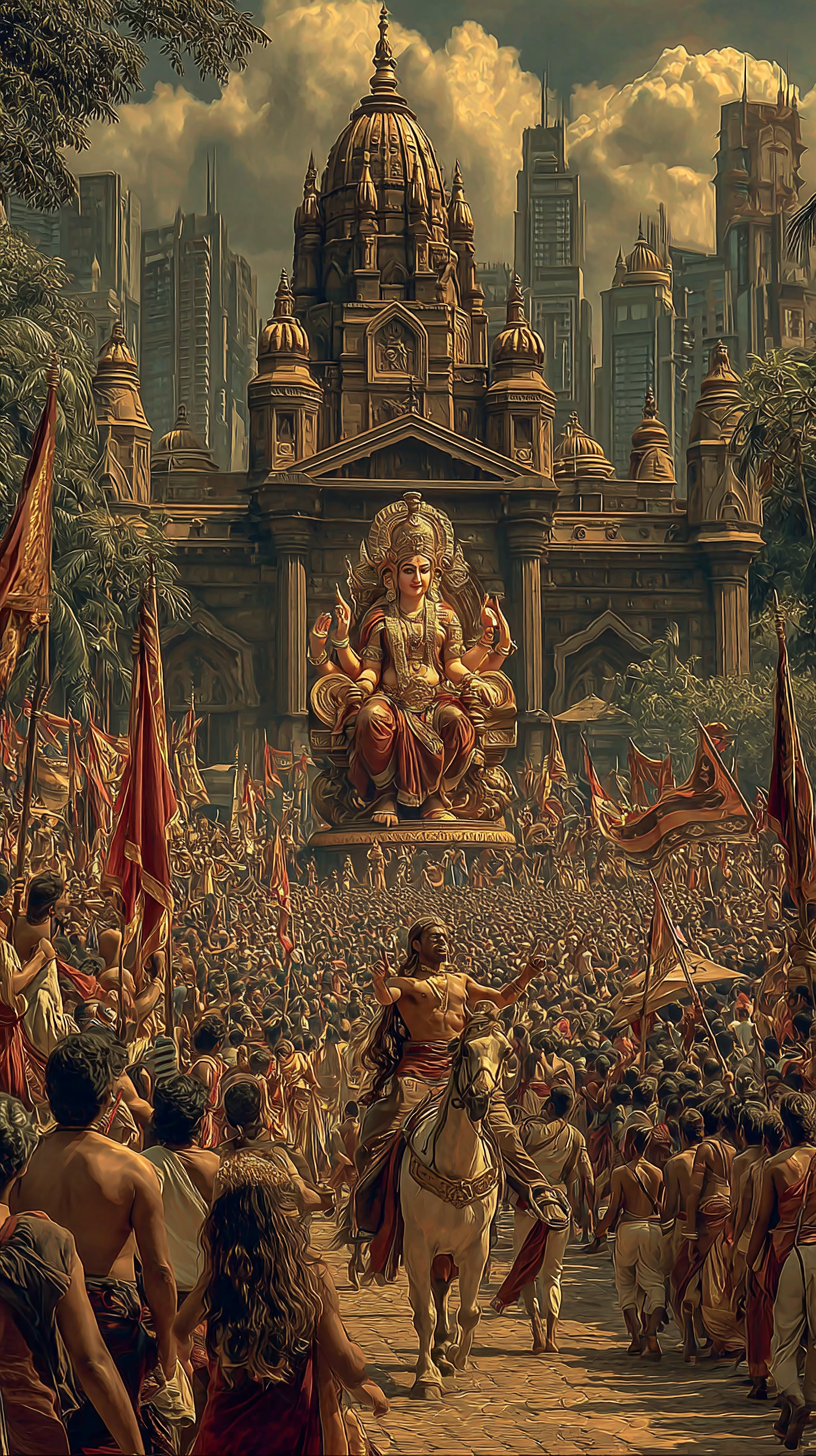
Sacred Source Points: Gangotri and Yamunotri Architecture
The Deities and Legends: A Heritage of Faith
Shiva at Kedarnath: The Abode of Transformation
Lord Shiva (Kedarnath)
Lord Shiva, the Destroyer and Transformer in the Hindu Trimurti, embodies raw power and profound asceticism. At Kedarnath, he manifests as the unique Jyotirlinga, a symbol of divine light and eternal energy. Devotees believe that a visit here grants liberation (moksha) and purifies the soul of all sins. His presence here signifies the mountain's role as a sanctuary where divine energy concentrates, fostering an atmosphere of profound, meditative stillness.
Vishnu and the Convergence at Badrinath
Lord Vishnu (Badrinath)
Lord Vishnu, the Preserver of the Universe, personifies benevolence, order, and cosmic stability. At Badrinath, he is worshipped as Badrinarayan, a meditaitve form that symbolizes profound peace and spiritual sustenance. The temple is one of the 108 Divya Desams, revered Vaishnavite shrines. A visit to Badrinath is believed to bestow blessings for prosperity, spiritual growth, and release from the cycle of rebirth.
"To stand at Badrinath is to witness the convergence of cosmic energies, a place where the divine plan is made manifest in the majestic Himalayas."
The Purity of the Waters: Gangotri and Yamunotri
The Descent of Ganga
The legend of Ganga's descent to Earth is a cornerstone of Hindu mythology. King Bhagiratha undertook severe penance for thousands of years to bring the celestial river down to Earth, purifying the ashes of his ancestors. Lord Shiva caught the mighty Ganga in his matted locks to break her fall, preventing her destructive force from overwhelming the Earth. From Shiva's hair, Ganga flowed, bringing life and salvation. Gangotri marks this sacred origin point where her terrestrial journey begins.
Festivals and the Rhythm of the Yatra
A Time for Reflection and Celebration
Major Observances and Seasonal Rhythms
The Practical Guide: Navigating the Pilgrimage
Embarking on the Char Dham Yatra is an adventure that demands meticulous planning. The spiritual reward is amplified by practical preparation. This section details the logistics for a safe and meaningful journey, ensuring pilgrims are well-equipped for the challenges ahead.
Navigating the Circuit: Route and Stages
Phase 1: The Source – Yamunotri and Gangotri
Phase 2: The Divine Convergence – Kedarnath
The journey towards Kedarnath typically involves reaching Gaurikund by road, followed by a strenuous 18 km trek. This path, meandering through high-altitude meadows and challenging terrain, tests endurance and deepens the sense of connection to the divine. The ascent to Kedarnath is often considered the most formidable part of the journey.
Phase 3: The Pinnacle – Badrinath
Essential Logistics and Safety Preparations
Travelers must account for unpredictable weather. High-altitude conditions mean sudden temperature drops, heavy rainfall, and even snowfall are common. Proper gear—layered clothing, waterproof jackets, sturdy trekking boots, and basic first aid—is non-negotiable. It is advisable to carry sufficient medicines, as medical facilities can be sparse in remote areas.
🗺 How to Reach
Hover a card to animate the journey on the map
Route to Char Dham Yatra: India's Sacred Himalayan Pilgrimage Circuit
A Living Covenant