A complete pilgrim record drawn from the existing published article data.
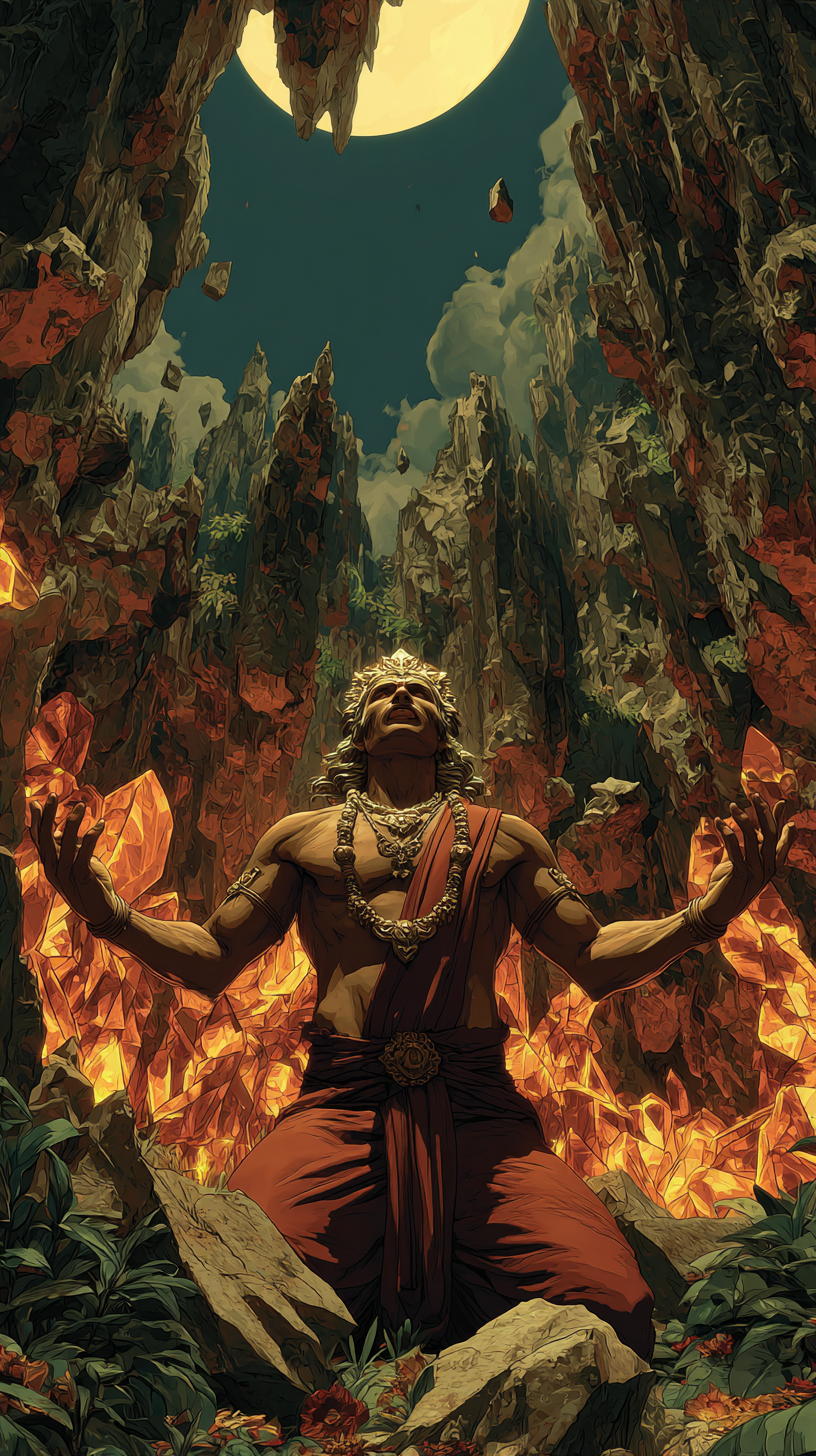
Historical Foundation: Tracing Ancient Roots
Origins and Evolution
Archaeological evidence points to the primary construction phase of the Bumzuva complex around the 12th century CE. During this medieval period, skilled artisans meticulously carved the initial temple structures directly into the soft limestone cliffs. This era laid the groundwork for the temple's enduring spiritual legacy.
The Syncretic Legacy
Architectural Marvels: Artistry in Rock
The architectural genius of Bumzuva lies in its seamless integration with the natural landscape. Artisans masterfully blended indigenous Kashmiri carving techniques with the challenging demands of rock-cut architecture. This synthesis resulted in a structure that feels both grandly imposed and organically grown from the earth.
The Bumzuva caves are a living testament to human ingenuity, where the raw power of nature meets the delicate touch of devotion, creating a sanctuary carved from the very breath of the mountains.
The Grand Gateway

Intricate Interior Carvings
These carvings transcend mere decoration; they function as narrative elements, recounting stories of mythology and devotion through their exquisite stonework. Each rosette and every dancing figure appears to possess a distinct vitality, seemingly emerging directly from the ancient stone itself, a true marvel of ancient craftsmanship.
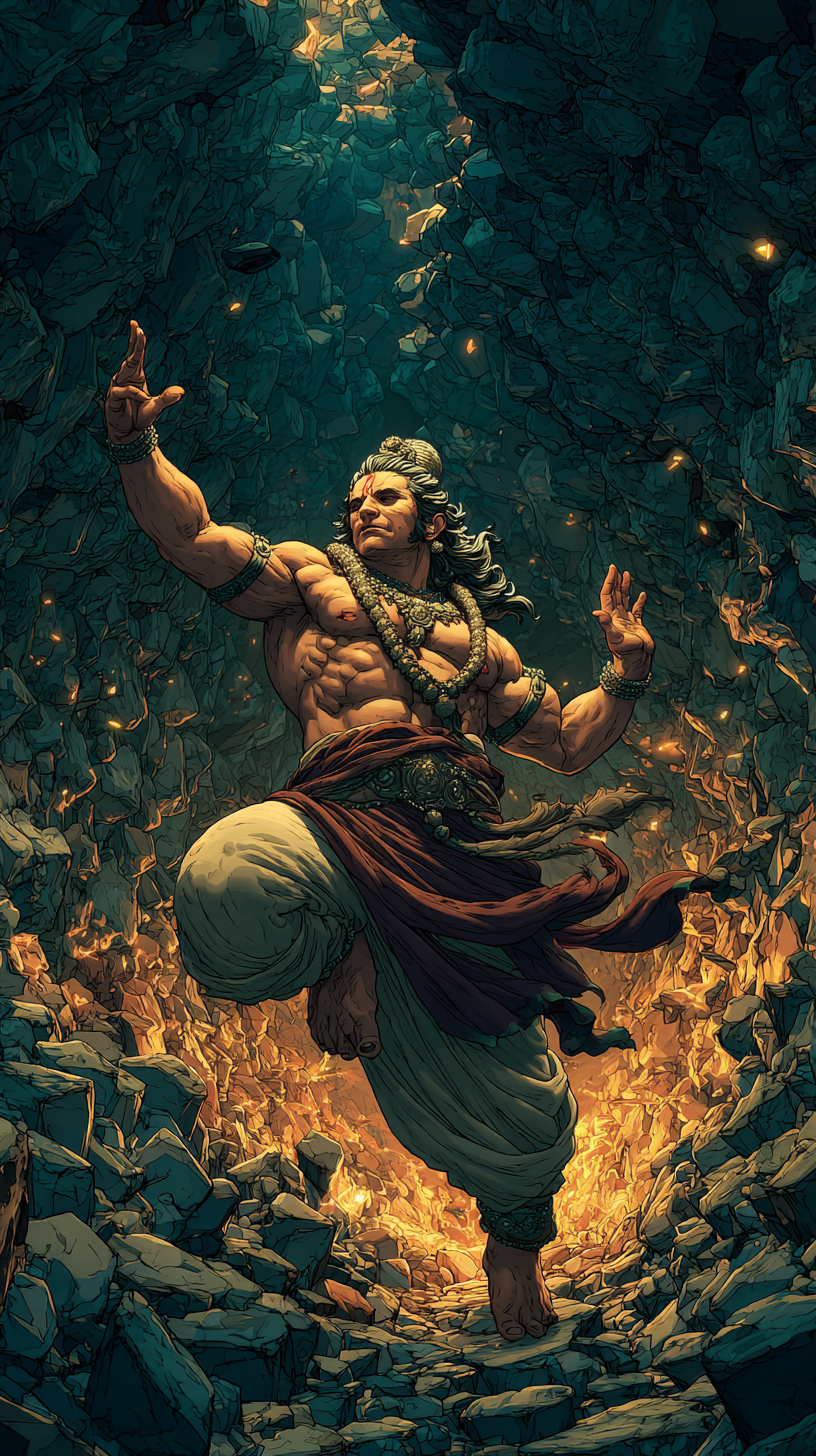
Presiding Deity: Lord Shiva's Abode
Lord Shiva
Lord Shiva is an integral deity in the Hindu Trimurti, alongside Brahma (the Creator) and Vishnu (the Preserver). He is often depicted with a third eye, a crescent moon on his head, and the river Ganges flowing from his matted hair. Adorned with a snake around his neck, a trident (trishula) in his hand, and frequently portrayed seated in meditation on Mount Kailash, Shiva represents austerity, cosmic dissolution, and regeneration.
His worship at Bumzuva centers on the lingam, a symbolic representation of his aniconic form, signifying the generative and transformative power of the cosmos. The cave environment provides a natural setting befitting his ascetic nature.
The Sanctum Sanctorum
Iconography and Significance
Festivals and Spiritual Life
In the quiet reverence of Bumzuva, the past does not simply exist; it breathes, it celebrates, and it teaches us the enduring power of faith and community.
Annual Celebrations
Visitors seeking an authentic cultural experience should inquire locally about specific festival timings. Participating in these celebrations offers a profound glimpse into the living heritage of Kashmiri religious life, a tradition continuously maintained for over 800 years.
Sustaining a Living Heritage
The Visitor's Guide to Bumzuva
Planning Your Journey
Respecting the Sacred Space
For those interested in exploring more of Kashmir's rich heritage, consider visiting other ancient sites like the Awantipora Temple complex or the historic Shankaracharya Temple in Srinagar. These sites offer further insights into the region's diverse architectural and spiritual landscape.
Sacred Stories & Local Legends
The Uniting Stones
Local lore often speaks of Bumzuva as a place where the divine presence transcends religious boundaries. One popular understanding suggests that the original carving of the cave temple, dedicated to Lord Shiva, laid a spiritual foundation that later practitioners of Islam recognized and respected. They chose to establish their Ziarats nearby, not in opposition, but in harmony with the existing sanctity of the site. This narrative emphasizes the shared human quest for the divine, regardless of specific theological paths, seeing a unifying spiritual force in the cave's ancient embrace.
Echoes of Devotion
Interfaith Narratives
🗺 How to Reach
Hover a card to animate the journey on the map
Route to Bumzuva Cave and Temple: 12th Century Heritage in Kashmir
Common Questions
Where is Bumzuva Cave and Temple: 12th Century Heritage in Kashmir located?
Bumzuva Cave and Temple: 12th Century Heritage in Kashmir is documented at Jammu, Jammu and Kashmir.
Which deity is associated with Bumzuva Cave and Temple: 12th Century Heritage in Kashmir?
Bumzuva Cave and Temple: 12th Century Heritage in Kashmir is associated with Shiva.
Related Temples


A Living Covenant