
A complete pilgrim record drawn from the existing published article data.
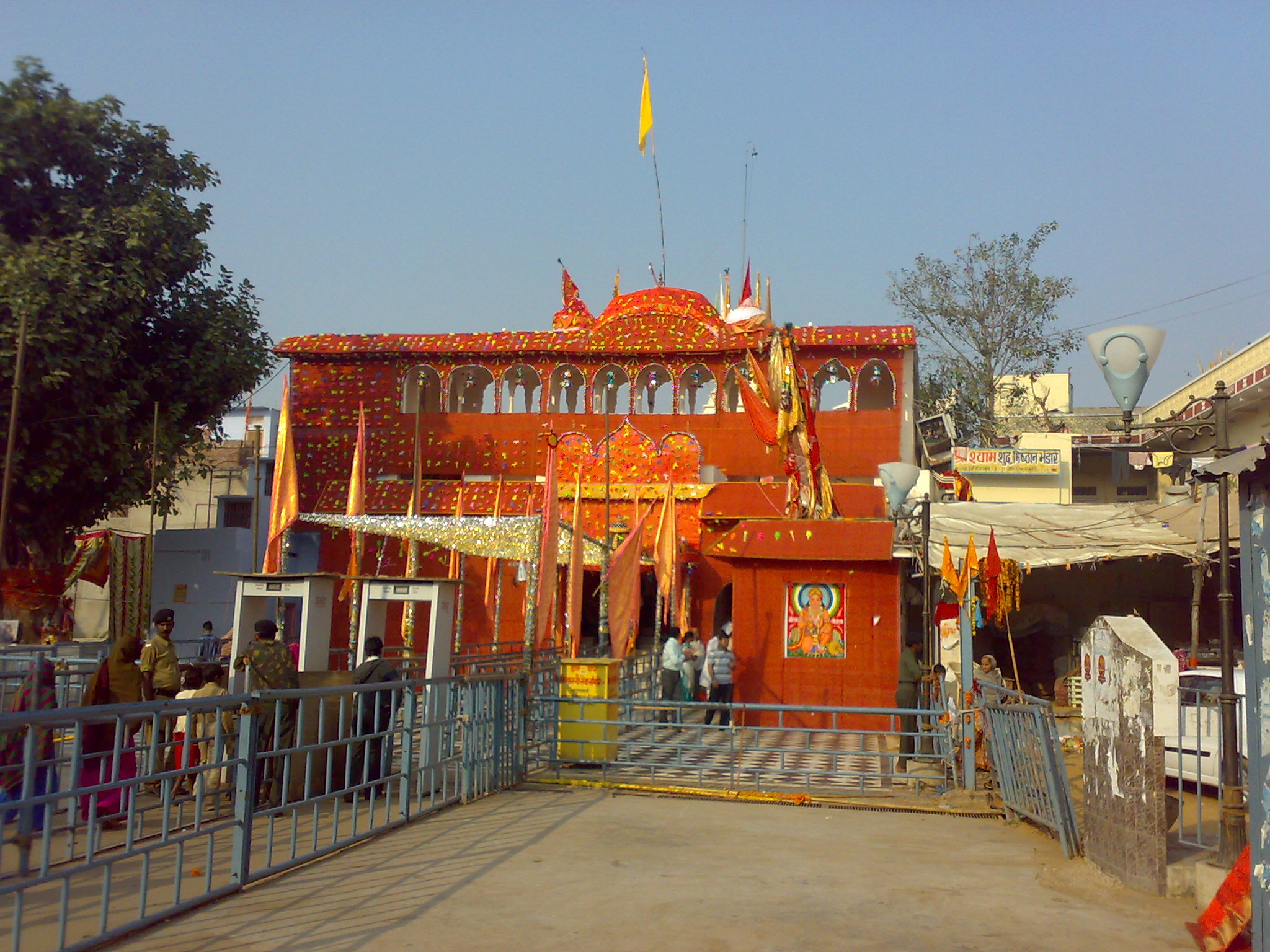
Its unique identity is further enhanced by the expansive Rani Talab, a large water tank encircling the temple, giving it a distinctive local name and serene ambiance.

History & Foundation
The Bhuteshwar Temple stands as a testament to regional devotion and architectural patronage. Its origins are deeply intertwined with the spiritual landscape of Haryana, particularly the sacred Kurukshetra region.

Royal Patronage and Ancient Roots
The temple was commissioned by Raghbir Singh, a significant ruler whose patronage contributed to its establishment. This act of royal support solidified its place as a key religious institution.
Its inclusion in the 48 kos parikrama circuit suggests a deep historical lineage, connecting it to ancient pilgrimage traditions that predate its current structure.

Part of the Kurukshetra Parikrama
The Bhuteshwar Temple is recognized as one of the 48 sacred tirthas within the extensive 48 kos parikrama of Kurukshetra. This pilgrimage circuit, steeped in spiritual significance, encompasses numerous holy sites.
Its role within this circuit underscores its enduring importance for devotees undertaking the spiritual journey through the Braj-Kurukshetra cultural landscape. The temple serves as a crucial stop.
Definition: 48 Kos Parikrama
A sacred circumambulation of approximately 48 kos (around 130-150 km) around Kurukshetra, encompassing numerous holy sites and temples associated with the Mahabharata and ancient Hindu scriptures.
Architecture & Deity
The Bhuteshwar Temple showcases a traditional Hindu temple design, centered around its primary deity, Lord Shiva. Its most striking architectural feature is the expansive water body that surrounds it.

Structural Elements and Design
The temple's core structure includes a garbhagriha, the sanctum sanctorum where the main deity resides. This sacred space is typically enclosed by a prakara, or circumambulatory path, allowing devotees to perform pradakshina.
A defining characteristic is the large water tank that encircles the temple. This feature is so prominent that the temple is locally known as Rani Talab, meaning "Queen's Pond," adding to its unique aesthetic and spiritual ambiance.

The Deity: Lord Bhuteshwar
Deity Profile: Bhuteshwar
- Main Deity: Shiva
- Form: Bhuteshwar (local manifestation)
- Tradition: Shaiva
- Iconography: Typically represented by a Shiva Lingam, symbolizing the cosmic energy and creative power of Lord Shiva.
The temple is dedicated to Bhuteshwar, a specific local manifestation of Lord Shiva. This form of Shiva is revered by local communities, embodying protection and spiritual power. Devotees offer prayers to Bhuteshwar for well-being and liberation.
"The Rani Talab not only beautifies the temple but also signifies purification and spiritual reflection for pilgrims."
Festivals & Traditions
While specific major festivals for Bhuteshwar Temple are not explicitly recorded, its identity as a Shaiva temple and its location within the Kurukshetra parikrama imply adherence to broader Hindu and Shiva-related traditions.

Shaiva Observances
Regular Abhishekam (ritual bathing) and aarti (lamp worship) would also be customary practices, performed daily or on auspicious occasions to honor Lord Bhuteshwar. Devotees visit throughout the year for personal prayers and offerings.
Pilgrimage Significance
The temple's inclusion in the 48 kos parikrama of Kurukshetra means it experiences heightened pilgrim activity during specific periods. These include the Kurukshetra Brahmotsavam and during rare solar eclipse pilgrimages, when thousands undertake the sacred circuit.
These times offer a unique opportunity to witness collective devotion and participate in ancient rituals, reinforcing the temple's role as a vital spiritual hub within the larger pilgrimage landscape.
Visiting the Temple
The Bhuteshwar Temple offers a serene and spiritually enriching experience for visitors. Located conveniently, it is accessible to pilgrims and tourists alike, providing a glimpse into Haryana's rich religious heritage.

Accessibility and Best Time to Visit
The best season to visit is October to March, when the weather is cooler and more conducive for travel and darshan. This period also aligns with potential pilgrimage events in the broader Kurukshetra region.
Nearby Attractions and Pro-Tips
Visitors can combine their trip to Bhuteshwar Temple with other significant sites along the Kurukshetra circuit. Notable nearby temples include the Sthaneshwar Mahadev Temple, Brahma Sarovar, Jyotisar Tirth, Markandeshwar Mahadev Temple, and Pandu Pindara Temple.
Pro-Tip for Visitors:
Allocate 1-2 hours for a fulfilling visit to the Bhuteshwar Temple. Remember to respect local customs and traditions, especially around the sacred Rani Talab.

Sacred Stories
The Bhuteshwar Temple's spiritual narrative is deeply rooted in ancient traditions and its connection to the legendary Kurukshetra region. Its sthala purana links it directly to the broader spiritual tapestry of India.

Origin Legend (Sthala Purana)
The temple's origin legend centers on its dedication to Bhuteshwar, a powerful manifestation of Lord Shiva. This specific form of Shiva is believed to preside over the region, offering protection and blessings to those who worship here.
Its primary significance stems from being an integral part of the 48 kos parikrama pilgrimage circuit of Kurukshetra. This association underscores its ancient and regional religious importance within the Braj-Kurukshetra cultural landscape, a land rich with spiritual narratives.

Mahabharata Connection
Pilgrims visiting the temple often feel a connection to the profound spiritual energy of Kurukshetra, a land where dharma was upheld. This indirect association imbues the temple with a sense of historical and epic grandeur.
"To visit Bhuteshwar Temple is to walk on land hallowed by centuries of devotion and epic tales."
Restoration & Conservation
🗺 How to Reach
Hover a card to animate the journey on the map
Route to Jind
Common Questions
Where is Bhuteshwar Temple: A Sacred Shrine in Haryana located?
Bhuteshwar Temple: A Sacred Shrine in Haryana is documented at Jind, Haryana, India.
Which deity is associated with Bhuteshwar Temple: A Sacred Shrine in Haryana?
Bhuteshwar Temple: A Sacred Shrine in Haryana is associated with Shiva.
Related Temples


A Living Covenant