A complete pilgrim record drawn from the existing published article data.
Historical Significance of Ati Konanayakar
The Ati Konanayakar Temple boasts a rich history, with its origins firmly established in the 17th century. This period marks its construction or significant establishment, solidifying its place as one of the enduring Hindu shrines in Sri Lanka. Over centuries, the temple has withstood the test of time, preserving ancient traditions and religious practices. It stands as a testament to the continuous Hindu presence and devotion in the region, serving as a repository of cultural memory and spiritual legacy. Its long history imbues the temple with a unique aura of sanctity and historical depth, attracting those interested in both faith and heritage.
17th-Century Foundation
The temple's foundation or significant establishment dates back to the 17th century, as recorded in historical timelines. This makes it a site of considerable antiquity within the Sri Lankan religious landscape.
Enduring Hindu Legacy
For centuries, Ati Konanayakar has maintained its role as a vibrant Hindu shrine. Its continuous operation reflects a resilient legacy of faith and cultural preservation in the Eastern Province.
Architectural Glimpse
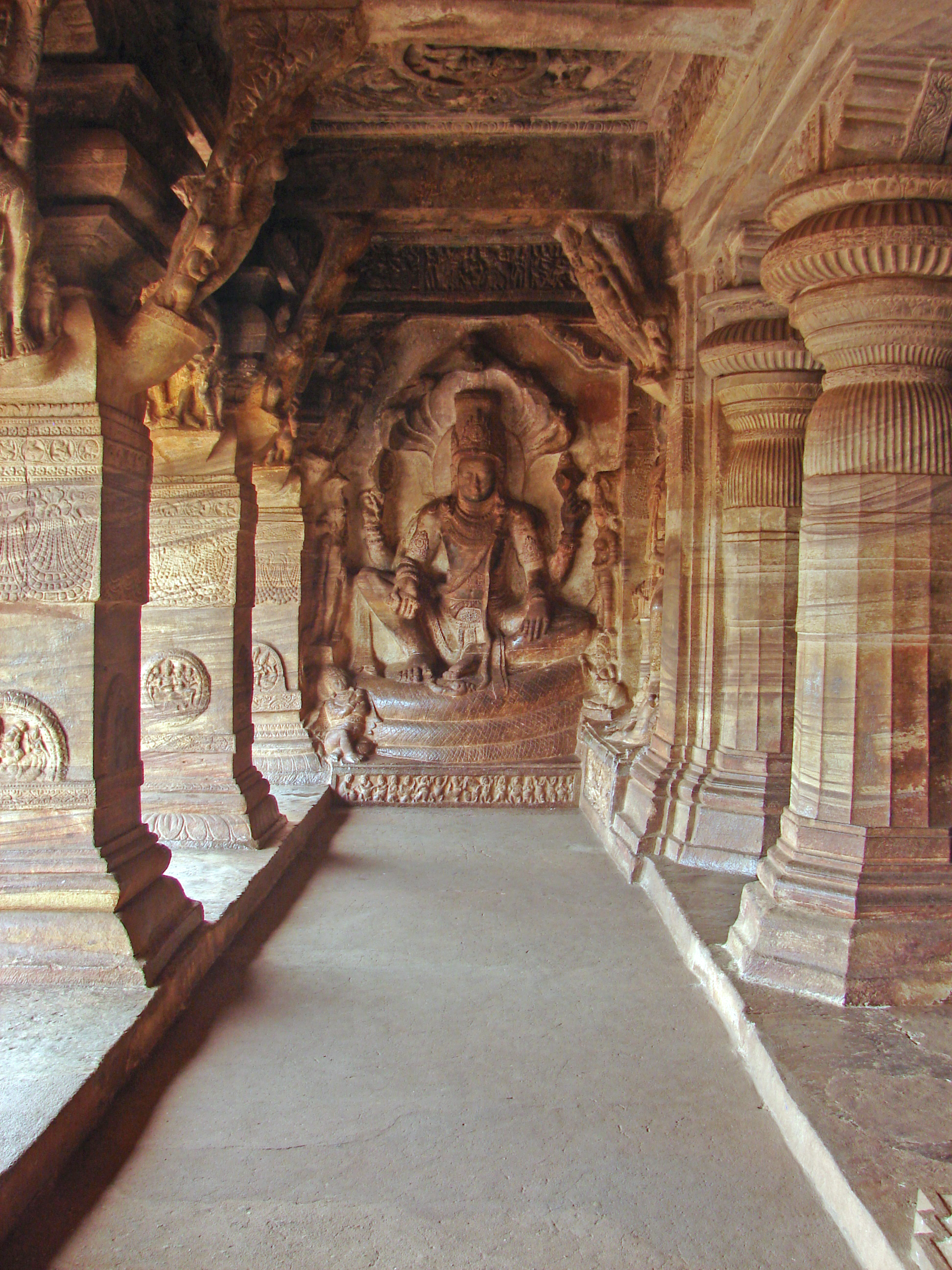
The Ati Konanayakar Temple, built in the 17th century, showcases a traditional Hindu architectural style prevalent in the region during that period. While specific detailed architectural descriptions are not always widely publicized, the temple's overall design typically adheres to Dravidian temple architecture principles, characterized by intricate carvings, towering gopurams (gateways), and sanctums dedicated to various deities. Its physical presence in Tampalakamam provides a spiritual anchor for the community. The temple structure, with its sacred spaces and devotional artistry, reflects the cultural and religious aesthetics of its time, offering a visual representation of its enduring legacy.
Temple Structure
The temple's structure generally follows traditional Hindu architectural styles, likely featuring elements such as a main shrine, assembly halls, and possibly a gopuram, characteristic of 17th-century construction.
Physical Setting
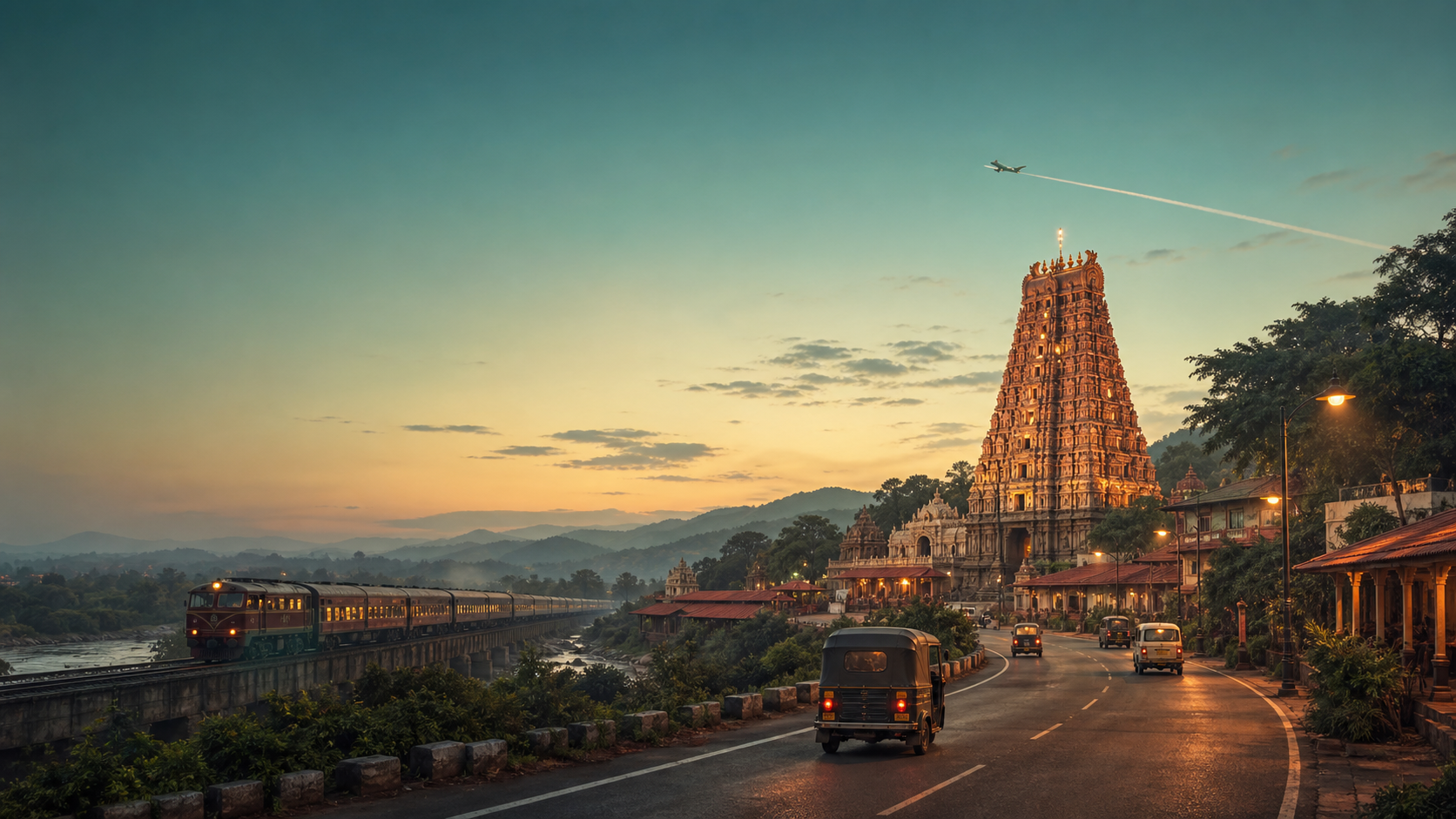
Located in Tampalakamam, the temple's physical setting contributes to its serene and spiritual atmosphere. Its design integrates with the local environment, creating a sacred space for devotees.
Plan Your Visit to Ati Konanayakar
For those planning a visit to the Ati Konanayakar Temple in Tampalakamam, Sri Lanka, several transport options are available. While specific timings and entry fees are not provided, it is advisable to check local sources or the temple's administration for the most current information regarding opening hours, dress code, and any visitor guidelines. The temple is a place of active worship, so respectful attire is generally recommended. Considering the journey, visitors can plan their trip to experience this historical 17th-century Hindu shrine dedicated to Lord Siva and Pattini Amman.
Reaching the Temple
The temple is located in Tampalakamam, Trincomalee District. While bus routes are not specified, local buses or taxis would be the primary means of transport within the district.
Travel by Train
For visitors traveling by train, the nearest major station is Kolkata Chitpur (KOAA), approximately 51 km away. Routes via Bhubaneswar (BBS), about 370 km, are also an option, suggesting a connection to a broader rail network.
Air Travel Options
The closest airport is Kolkata Airport (CCU), situated about 44 km from the temple's general vicinity. Visitors can fly from Bhubaneswar (BBI) to Kolkata Airport and then continue by authorized taxi, app cab, or airport bus.
| Deity | Shiva |
|---|---|
| Form | Revered as the main deity; specific iconic form not detailed in provided information. |
| Consort | N/A (not specified in provided data) |
| Sampradaya | Hindu |
| Significance | The temple is primarily dedicated to Shiva, revered as the main deity. Beyond Shiva, it also features important cults associated with the veneration of Pattini Amman, highlighting a dual focus of worship. |
No Specific Mythological Story Available
The provided information does not include a specific mythological story or legend associated with the Ati Konanayakar temple. Its history primarily notes its establishment in the 17th century and its dedication to Shiva, alongside the veneration of Pattini Amman.
In the heart of Tampalakamam, Shiva's presence is revered, a testament to enduring faith and devotion through centuries.
Where Shiva and Pattini Amman are honored, the spiritual tapestry of Sri Lanka unfolds in vibrant devotion.
Introduction to Ati Konanayakar Temple
The Ati Konanayakar Temple stands as a significant Hindu shrine in the Eastern Province of Sri Lanka, specifically located in Tampalakamam, Trincomalee District. This ancient temple, dedicated primarily to Lord Siva, holds a revered position among devotees in the region and beyond. Its historical roots trace back to the 17th century, establishing it as a site of enduring spiritual and cultural importance. The temple serves as a central point for Hindu worship and community gatherings, reflecting the rich religious heritage of the area. Its presence contributes significantly to the cultural landscape of Tampalakamam, drawing pilgrims and visitors alike.
Location in Tampalakamam
Situated in the tranquil surroundings of Tampalakamam, within the Trincomalee District, the Ati Konanayakar Temple is a prominent landmark. Its geographical placement in the Eastern Province makes it accessible to a wide community of worshippers.
Regional Significance
As a principal Hindu temple in the Eastern Province, Ati Konanayakar plays a crucial role in the spiritual lives of many. It is a focal point for religious observances and cultural traditions, upholding its status as a revered regional institution.
The Deities of Ati Konanayakar
The primary deity venerated at the Ati Konanayakar Temple is Lord Siva, reflecting its identity as a traditional Hindu shrine within the Saivite tradition. Devotees gather to offer prayers and perform rituals dedicated to Siva, seeking blessings and spiritual solace. Beyond the central worship of Siva, the temple is also notable for the significant cults associated with the veneration of Pattini Amman. This dual focus highlights a broader spectrum of devotion, where the powerful mother goddess, Pattini Amman, holds an important place in the religious practices of the local community, enriching the temple's spiritual landscape.
Principal Deity: Lord Siva
The main deity of the Ati Konanayakar Temple is Lord Siva, revered as the supreme being within the Saivite tradition of Hinduism. His worship forms the core of the temple's religious activities.
Veneration of Pattini Amman
In addition to Lord Siva, the temple also encompasses important cults associated with the veneration of Pattini Amman. This highlights the presence of strong goddess worship traditions alongside the primary Saivite devotion.
🗺 How to Reach
Hover a card to animate the journey on the map
Verified routes to Ati Konanayakar
Common Questions
Where is Ati Konanayakar: Sri Lanka's 17th-Century Siva-Amman Shrine located?
Ati Konanayakar: Sri Lanka's 17th-Century Siva-Amman Shrine is documented at Basirhat - I, Eastern.
Which deity is associated with Ati Konanayakar: Sri Lanka's 17th-Century Siva-Amman Shrine?
Ati Konanayakar: Sri Lanka's 17th-Century Siva-Amman Shrine is associated with Durga.