



A complete pilgrim record drawn from the existing published article data.
Historical Foundation
The ancient temples of Jammu and Kashmir possess a profound historical foundation, reflecting centuries of religious devotion, political patronage, and cultural evolution. Their origins are deeply rooted in the region's diverse past, with construction phases spanning influential dynasties like the Karkotas, Utpalas, and Loharas. This section explores the chronological development of these sacred sites, examining the key rulers, historical events, and socio-religious movements that shaped their initial establishment, subsequent expansions, and enduring significance. Understanding this historical context is crucial for appreciating the architectural marvels and rich legends associated with these revered structures.
Early Foundations and Karkota Era
Definition: Karkota Dynasty
A powerful ruling dynasty in Kashmir during the 7th and 8th centuries CE, known for its extensive patronage of art, architecture, and learning, particularly under rulers like Lalitaditya Muktapida, who expanded the empire significantly and commissioned grand structures like the Martand Sun Temple.
Pilgrimage Traditions & Later Patronage
Architecture & Craftsmanship

The majestic ruins of the Martand Sun Temple, showcasing its expansive colonnaded courtyard.
Kashmiri Nagara Style
- Trefoil Arches: A prominent and defining characteristic, these three-lobed arches are seen in gateways, niches, and recesses, adding an elegant aesthetic.
- Recessed Niches: Often housing deity figures, these niches are integral to the sculptural program of the temples.
- Stepped Plinths: Temples are typically built on elevated, multi-tiered plinths, lending them a majestic appearance and protection from elements.
- Peristyle Courtyards: Martand, famously, features a massive peristyle enclosure of 84 columns surrounding its central shrine, an architectural marvel unparalleled in Indian sun temple design.
- Stone Construction: Primarily utilizing granite and basalt, these temples were built to withstand the mountain climate, though many have succumbed to natural disasters and deliberate destruction over centuries.
Pahari and Regional Variants
- Timber-bonded Stonewall: Temples in regions like Daddu, Basant Garh, and Gulabgarh employ a distinctive construction method combining stone and timber, often topped with shingle roofs, offering resilience against seismic activity and harsh winters.
- Shikara Style: Some temples, particularly in Kirmachi and Bhillawar, feature the classic North Indian shikhara (spire), though often with regional adaptations.
- Sculptural Highlights: These temples often feature intricate woodcarvings on ceilings, pillars, and brackets, depicting floral, geometric, and sometimes figural motifs. Door lintels frequently display Navagraha reliefs (depicting the nine celestial bodies), indicating the importance of astrological deities in local worship.

The ancient Sankaracharya Temple, an example of early Kashmiri stone architecture, overlooking Srinagar.
The Presiding Deity
The spiritual core of the ancient temples scattered across Jammu and Kashmir resides in their presiding deities. These sacred figures, often central to the temple's identity, embody the divine presence and guide the worship practices. Ranging from various forms of Shiva and Vishnu to powerful Devi manifestations and local folk deities, their iconography, associated legends, and specific rituals reveal much about the region's rich religious tapestry. Understanding these principal gods and goddesses is fundamental to appreciating the profound spiritual significance and unique cultural heritage embedded within these historic structures.
Diverse Deities of Kashmir
Mata Vaishnodevi: The Wish-Fulfilling Mother
Main Deity: Vaishnavi (a manifestation of Durga)
Deity Form: Pind-dharini (three natural rock formations representing Saraswati, Lakshmi, and Kali within the cave).
Tradition: Shakta (syncretic with Vaishnavism)
Mythological Significance: Believed to grant wishes ('Moonh Maangi Muradein Poori Karne Wali Mata'). The cave is a natural formation in the Trikuta mountain. The Goddess is said to have resided here during her tapasya (penance) and battle with the demon Bhairon Nath.
Unique Features: One of the world's most visited shrines, its antiquity is uncertain but pilgrimage tradition is ancient. Photography is prohibited inside the sanctum.
Unique Iconography and Manifestations
The region is home to several one-of-a-kind iconographic features:
- Amarnath Ice Lingam: This natural formation of ice, waxing and waning with the lunar cycle, is Shiva's manifestation. It is a unique example of nature's divinity. The cave is linked to the Akasha (ether) tattva, one of the Pancha Bhoota Sthalas in regional interpretation.
- Kheer Bhawani's Colour-Shifting Spring: The spring water at Kheer Bhawani is believed to change colour, with clear water indicating auspiciousness and darker or reddish hues foretelling impending calamity. This phenomenon is central to the devotional hermeneutics of the shrine.
- Pind-dharini at Vaishnodevi: Unlike sculpted murtis, the Vaishnodevi shrine features three natural rock Pindis (forms) representing Goddesses Mahakali, Mahalakshmi, and Mahasaraswati, embodying the collective power of the Divine Mother.
>10 Million pilgrims visit Vaishnodevi annually, making it one of the most visited Hindu shrines globally.
Festivals & Living Traditions
The ancient temples of Jammu and Kashmir are not merely historical structures but vibrant hubs of spiritual and cultural life, where age-old traditions continue to thrive. A rich tapestry of festivals, deeply rooted in both regional lore and pan-Indian religious calendars, animates these sacred sites throughout the year. These celebrations, often accompanied by unique rituals, music, and dance, serve to preserve the living heritage and foster a strong sense of community, connecting devotees to centuries of devotion and ancestral practices that continue to shape the region's spiritual landscape.
Calendar of Celebrations
The annual cycle of festivals marks significant events across the region's temples:
- Jyeshta Ashtami: This is the most important festival at Kheer Bhawani, observed in May-June (Jyeshtha month), attracting over 30,000 Kashmiri Pandits who gather to offer milk and kheer to the sacred spring.
- Amarnath Yatra: The 45-day annual pilgrimage to the Amarnath cave, primarily in July-August (Shravan month), is a arduous journey undertaken by hundreds of thousands to witness the miraculous Ice Lingam.
- Navratris (Chaitra & Ashwin): Both the spring (March-April) and autumn (September-October) Navratris are major celebrations, especially at Vaishnodevi and Kheer Bhawani, dedicated to the nine forms of the Divine Mother. Vaishnodevi sees peak pilgrim footfall during these auspicious periods.
- Shravan Somvar: Weekly Monday observances during the holy month of Shravan (July-August) are particularly significant at Shaivite temples like Sankaracharya and Amarnath, with special pujas and prayers dedicated to Lord Shiva.
Daily Rituals and Folk Beliefs
Folk beliefs and reported miracles play a significant role in the living traditions:
- The colour-shifting water of the Kheer Bhawani spring is a deeply held belief, influencing communal interpretations of divine mood and future events.
- The waxing and waning of the Amarnath ice lingam with the moon cycle is a constant source of wonder and devotion.
- Vaishnodevi is widely revered as 'Moonh Maangi Muradein Poori Karne Wali Mata' – the Mother who fulfills wishes, drawing countless devotees seeking blessings.
- Pilgrims at various sites frequently report spontaneous healing, divine visions, and profound spiritual experiences.

The sacred spring at Kheer Bhawani Temple, known for its unique color-shifting water.
Plan Your Visit
Getting There & Best Time
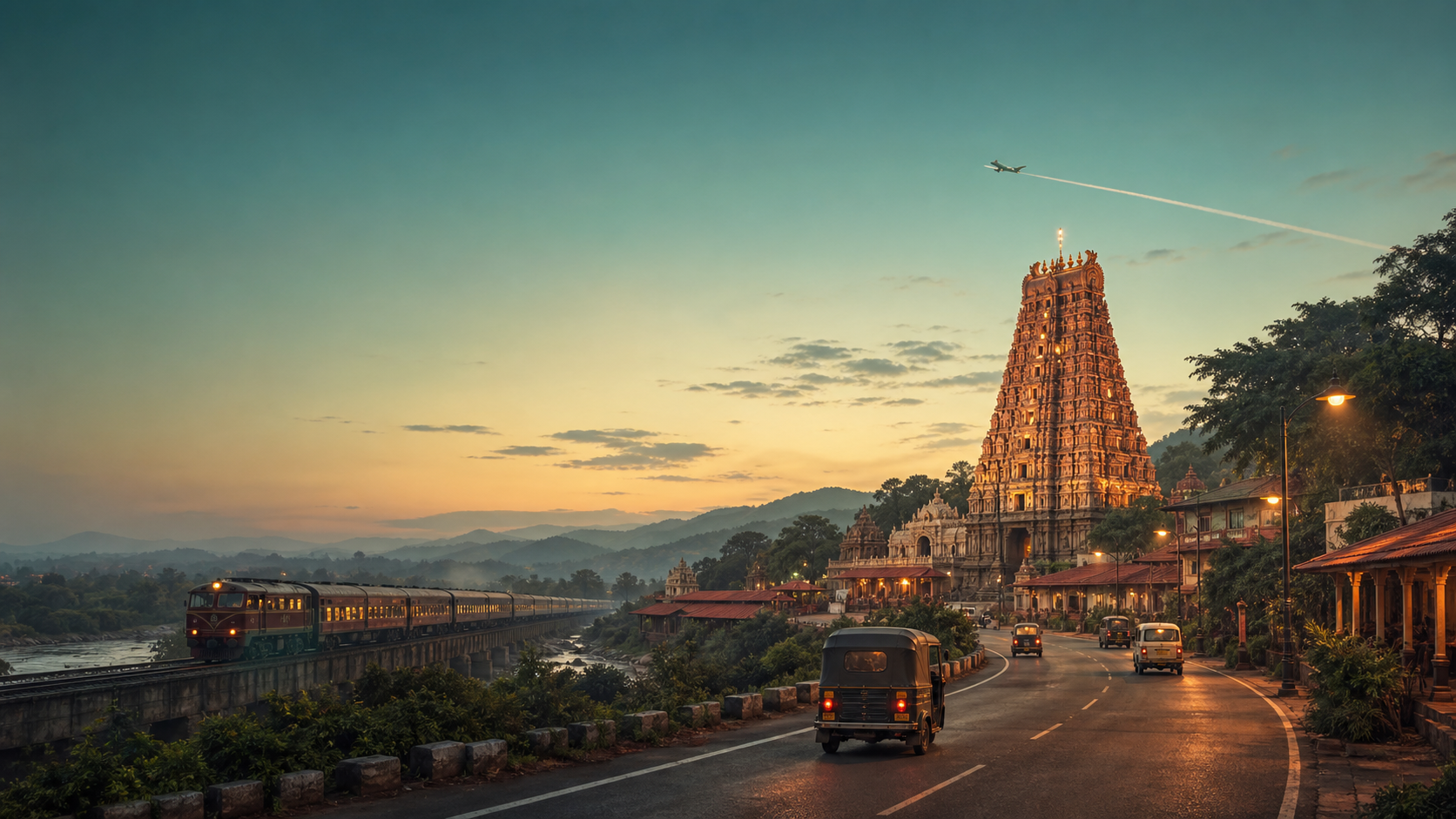
- Nearest City: Srinagar is the hub for Martand, Sankaracharya, Kheer Bhawani, Amarnath (via Pahalgam/Baltal), and Shailaputri. Jammu City serves as the gateway for Vaishnodevi.
- Nearest Airport: Sheikh ul-Alam International Airport, Srinagar (SXR) for destinations in the Kashmir Valley. Jammu Airport (IXJ) for Vaishnodevi.
- Nearest Railway: Jammu Tawi Railway Station is the main functional railhead, 48 km from Vaishnodevi. Srinagar Railway Station is under construction, with Banihal or Qazigund (~60-80 km) being the nearest functional stations to the valley.
- Best Season: May to September offers the most favorable weather, especially post-snowmelt, ensuring accessible routes. The Amarnath Yatra peaks in July-August, and Jyeshta Ashtami at Kheer Bhawani is usually in June.
Visit Rules & Etiquette
- Photography: Strictly prohibited inside the sanctums of Vaishnodevi cave and Amarnath. Respect local guidelines at other sites.
- Dress Code: Modest dress is required at all temples. Head coverings are customary at Kheer Bhawani and Sankaracharya.
- Food & Alcohol: Avoid non-vegetarian food or alcohol near the shrine premises.
- Footwear: Remove footwear before entering temple premises, as is customary in Indian temples.
Suggested Duration & Temple Circuit
- Kashmir Valley Circuit: Begin in Srinagar, visiting Sankaracharya Temple. Proceed to Martand Sun Temple in Anantnag. Then, visit Kheer Bhawani in Tulla Mulla and Shailaputri in Baramulla. For Amarnath, plan a separate trip via Pahalgam or Baltal during the Yatra season.
- Jammu Circuit: Focus on Vaishnodevi, accessible from Jammu City. You can also visit other significant temples in Jammu City like Raghunath Temple and Ranbireshwar Temple.


Related temples: Ancient Temple, Ladhoo | ASI Protected Temples: India's Archaeological Treasures
Sacred Stories & Mythology
The ancient temples of Jammu and Kashmir are not merely architectural marvels; they are vibrant repositories of sacred stories and profound mythology that have shaped the region's spiritual landscape for millennia. These narratives often intertwine with epic tales, divine interventions, and the lives of revered saints and deities, providing a deeper understanding of the temples' origins and their enduring cultural significance. From tales of creation and cosmic battles to legends of miraculous healings and divine manifestations, these myths imbue each sacred site with a unique spiritual resonance, attracting pilgrims and devotees seeking connection to the divine.
The Genesis of Deva Bhoomi
The Creation of Kashmir by Rishi Kashyapa
According to ancient Puranic legends, the Kashmir Valley was once a vast lake known as Satisar, inhabited by a powerful demon named Jalodbhava. The sage Rishi Kashyapa, deeply concerned by the suffering caused by the demon, undertook rigorous penance to invoke the blessings of the Gods. Answering his prayers, Vishnu, Brahma, and Shiva appeared. Vishnu struck the mountain with his plough, creating a deep fissure through which the waters of Satisar drained away. As the land emerged, Kashyapa established sacred sites, giving names to the mountains, rivers, and springs, thus transforming the region into a hallowed land where deities could reside and be worshipped. This act is considered the foundational myth for Kashmir's spiritual identity.
Legends of Divine Manifestation
Each major temple in the region has its own compelling origin story that deeply resonates with devotees.
- The Amar Katha at Amarnath: The most revered legend associated with the Amarnath Cave is that of the 'Amar Katha' – the secret of creation and immortality. It is believed that Lord Shiva chose this secluded cave to reveal the profound mystery of eternal life to Goddess Parvati, away from all other beings. Two pigeon eggs are said to hatch inside the cave during the Yatra, believed by many to be the immortal pair.
- Maharajni at Kheer Bhawani: The Kheer Bhawani temple's legend states that Goddess Maharajni manifested at the Tulla Mulla spring after consuming 'kheer' (rice pudding). The unique miracle of the spring water changing color, interpreted as an indicator of divine mood or communal auspiciousness, reinforces the goddess's living presence. This site is also said to have a connection to the Ramayana, with Lord Rama reportedly having worshipped here.
- Vaishnodevi's Divine Pursuit: The legend of Vaishnodevi narrates how the young Vaishnavi, a manifestation of the Divine Mother, fled from the demon Bhairon Nath, performing penance in the Trikuta mountains and eventually vanquishing the demon at a spot now marked by the Bhairon Temple. Her divine powers and wish-fulfilling nature are central to this narrative.
Saints, Poets & Devotees
The ancient temples of Jammu and Kashmir were not merely architectural marvels but vibrant centers of spiritual and cultural life, deeply shaped by the figures who frequented them. This section explores the profound impact of saints, whose spiritual guidance and ascetic practices often led to the establishment or veneration of sacred sites. It also delves into the contributions of poets, whose devotional verses immortalized deities and temple legends, enriching the region's religious literature. Finally, we examine the role of countless devotees, whose unwavering faith and patronage sustained these holy places through centuries.
Pilgrims of Enlightenment

Adi Shankara, whose visit and meditation at the temple in Srinagar led to its renaming.
Modern Guardians of Tradition
While ancient temples in Jammu and Kashmir stand as testaments to bygone eras, their continued existence and vibrancy owe much to the dedicated efforts of modern guardians. These individuals, communities, and organizations play a crucial role in preserving the rich architectural heritage, upholding age-old rituals, and transmitting the associated legends to new generations. Their work ensures that the spiritual and cultural legacy embedded within these sacred sites remains alive, adapting to contemporary challenges while honoring ancestral practices.
Records, Marvels & Heritage
The ancient temples of Jammu and Kashmir are not merely structures but repositories of invaluable historical data, offering profound insights into the region's past. This section delves into the rich tapestry of records, from ancient scriptures and royal decrees to epigraphic evidence, that chronicle their construction and evolution. We will explore the architectural marvels, showcasing the ingenuity and artistic prowess of bygone eras, and examine the enduring heritage these sacred sites represent. Their legacy continues to shape the cultural and spiritual landscape, reflecting centuries of devotion and craftsmanship.
Architectural and Natural Wonders
- Martand Sun Temple: It is recognized as the largest and most monumental sun temple in India, with its extensive peristyle courtyard unique in its scale and design. Its precise axial alignment and the grandeur of its 84 columns were engineering marvels of the 8th century.
- Amarnath Cave Temple: This is the highest-altitude major Hindu shrine, situated at approximately 12,756 feet, featuring a naturally regenerating ice lingam. The glacial cave formation sustaining this perennial ice lingam is a remarkable natural wonder.
- Vaishnodevi Shrine: Annually attracting over 10 million pilgrims, it is among the world's most visited religious sites, a testament to its immense spiritual pull.
- Sankaracharya Temple: Considered the oldest surviving stone temple in Kashmir, its elevated octagonal platform and steep access stairs showcase early medieval engineering in a challenging terrain.
Definition: Peristyle
A continuous porch formed by a row of columns surrounding the perimeter of a building or a courtyard. The Martand Sun Temple famously featured a massive peristyle enclosure.
Conservation and Challenges
Many of these ancient sites face unique challenges:
- Martand Sun Temple: Currently in ruins, it is a protected monument under the Archaeological Survey of India (ASI) and undergoes continuous structural consolidation efforts. Debates surround its destruction, traditionally attributed to Sikandar Butshikan, with narratives contested over intent and scale.
- Sankaracharya Temple: Also ASI-protected, it remains stable but faces weathering concerns due to its exposed high-altitude location.
- Vaishnodevi and Amarnath: While managed by dedicated Shrine Boards, both sites experience significant stress from high pilgrim footfall, requiring extensive infrastructure management and environmental protection.
- Kheer Bhawani: Vulnerable to environmental changes, the site also faces challenges related to reduced access for Kashmiri Pandits post-1990, impacting its traditional maintenance.

The revered Amarnath Cave, home to the naturally formed Shiva Lingam of ice, a spiritual marvel.
84 Columns once surrounded the central shrine of Martand, forming an expansive and unique peristyle courtyard.
🗺 How to Reach
Hover a card to animate the journey on the map
Route to Jammu
Common Questions
Where is Ancient Temples of Jammu & Kashmir: A Sacred Journey located?
Ancient Temples of Jammu & Kashmir: A Sacred Journey is documented at Jammu, Jammu and Kashmir.
Which deity is associated with Ancient Temples of Jammu & Kashmir: A Sacred Journey?
Ancient Temples of Jammu & Kashmir: A Sacred Journey is associated with Multiple.
A Living Covenant